Windows on Europe
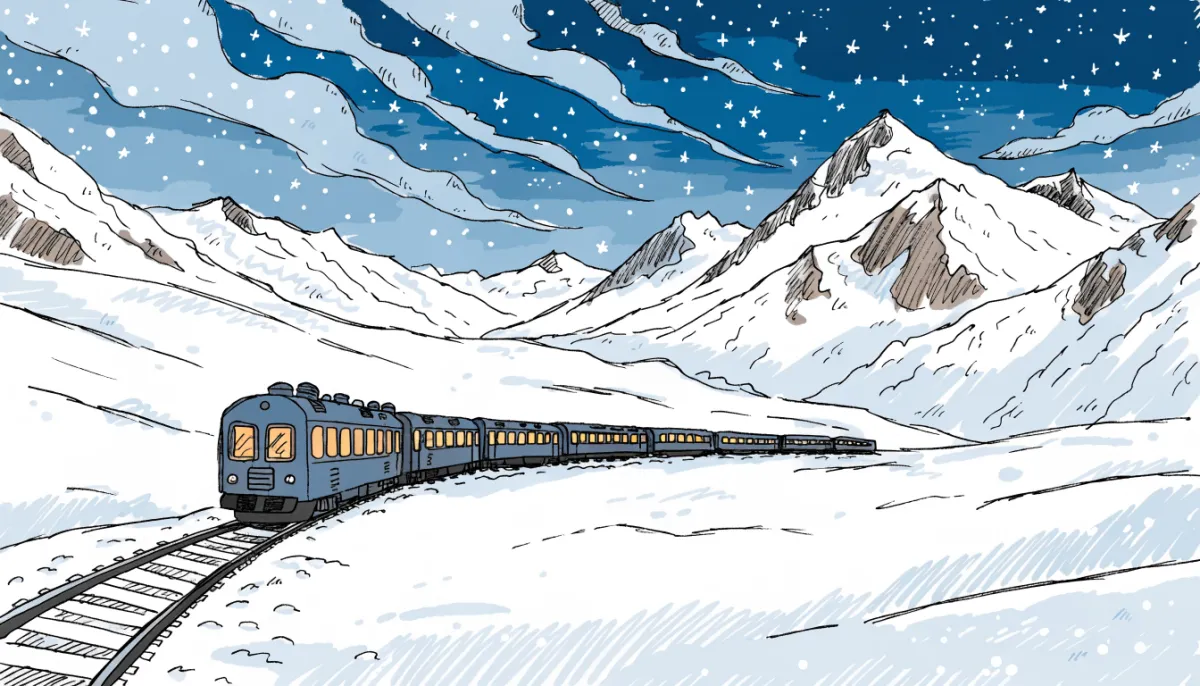
I was standing on the platform in Brussels-Midi at dusk, backpack at my feet, when the new European Sleeper pulled in. The lights inside looked warm against the gray evening, and for a moment I forgot how tired I was from the long day of connections. There’s something quietly romantic about boarding a train that will carry you through the night while you sleep.
The Return of the Sleeper
That particular train, the one linking Brussels to Milan via Switzerland, is one of several new or revived night services that have people talking in 2026. European Sleeper has been steadily expanding: Paris to Berlin is now running, the Basel-Copenhagen-Malmö route launched in April, and this Milan line finally came online after a few delays. The carriages are comfortable enough, if not quite Orient Express luxurious. I had a private couchette with a tiny sink and a surprisingly decent breakfast delivered in the morning.
The real pleasure is waking up to changing scenery. One minute you’re dozing somewhere in Belgium; the next the Alps are sliding past the window while you sip coffee from a paper cup. The rhythm of the rails does something to the mind that a flight never can. You arrive grounded instead of frazzled.
Alpine Slow Journeys
From those Swiss stops—Bern, Brig—you can step off and disappear into the mountains for a few days. I spent a long weekend last autumn doing exactly that. Took the night train from Brussels, got off in Brig, then used local lines and a couple of buses to reach a small village above Zermatt. The air smelled of pine and woodsmoke. I hiked alone in the mornings and sat in the thermal pools in the afternoons, watching clouds catch on the peaks.
These routes pair beautifully with the wellness angle that’s everywhere now. No one is pretending it’s revolutionary anymore; it’s just nicer. A short hike to a lake, a sauna in an Alpine hotel, dinner that actually involves vegetables that were grown nearby. The train gets you there without the carbon guilt or the airport security line.
Why This Feels Different
The research I read before leaving painted a clear picture: more families are choosing these journeys because there’s room to move, no one has to sit in the same seat for eight hours, and the journey itself becomes part of the memory. Sustainability is part of it, sure, but so is the simple pleasure of watching the landscape unfold slowly.
It’s not perfect. Some of the older sleeper cars still creak a lot. My cabin mate on one leg snored like a freight train. And the Milan route still doesn’t have a proper dining car on every departure, so plan your picnic. But those small imperfections somehow make the whole thing feel more real than a perfectly curated experience ever could.
The Gentle Pace
There’s a moment on these trips when the speed of modern life falls away. Maybe it’s somewhere between Strasbourg and Basel when the light changes and you realize you haven’t checked your phone in three hours. Or standing on the deck of a ferry that’s part of the overland route, watching the water while the train waits on the other side.
Overland travel in Europe isn’t about ticking boxes anymore. It’s about choosing to take the long way because the long way feels better. The new connections make it easier than it was five years ago, but the appeal is older than that: the gentle clack of wheels, the smell of coffee at dawn, the way mountains look when they’re passing slowly instead of disappearing beneath you at thirty thousand feet.