Why Time Is the New Secret Ingredient: Fermented and Preserved Flavors in 2026 Dining
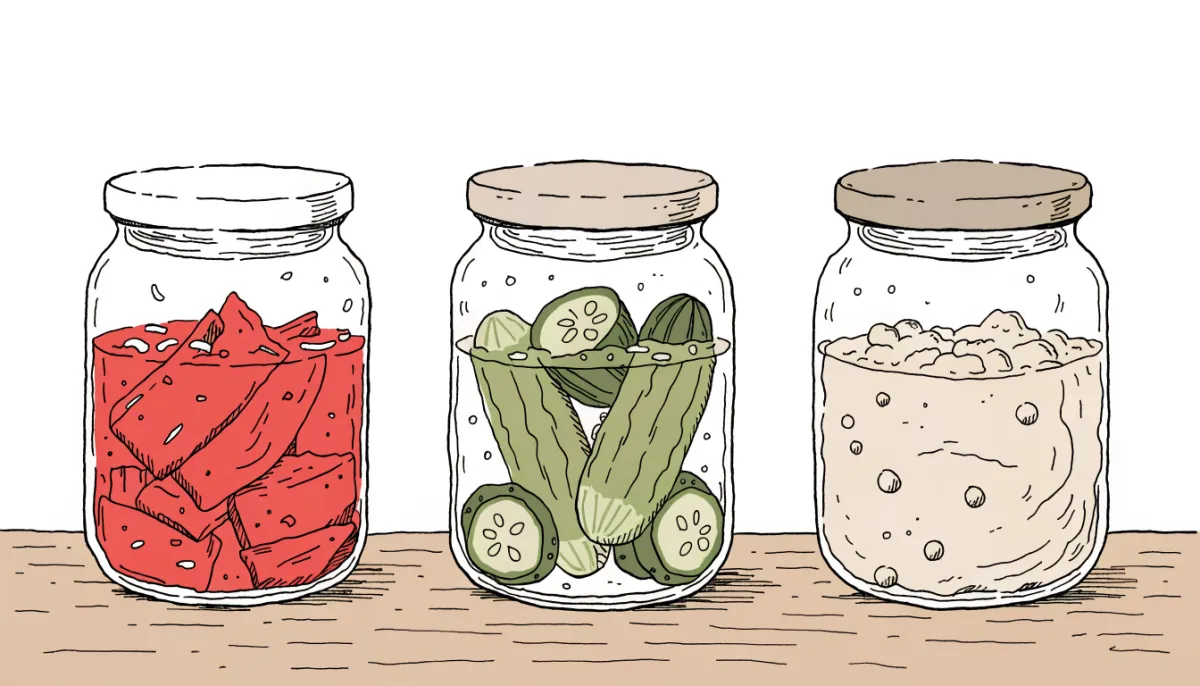
Chefs have always tinkered with time in the kitchen. But in 2026, time itself has become an ingredient. Across continents, restaurants are leaning into fermentation and preservation not just for the familiar gut-health pitch, but for the quiet complexity it adds to a plate. Depth arrives slowly, through miso in a dessert, aged fish portioned daily, or weeks-long ferments prepared in-house. The result tastes deliberate rather than loud.
From Necessity to Nuance
Preservation techniques are hardly new. Pickles, kimchi, miso, and cured meats kept food edible long before refrigeration. What feels fresh now is the intentional way high-end kitchens are using them. Michelin Guide inspectors noted preserved and fermented flavors as one of the defining shifts this year. Depth builds gradually rather than through heavy sauces or last-minute seasoning. Koji marinades, lacto-fermented vegetables, and on-site aging appear in savory courses and, increasingly, in sweets.
Global Kitchens Putting Time to Work
In Bangkok, Baan Tepa keeps long ferments going in the back of house, deploying them across the entire menu for layered seasoning that doesn’t overwhelm. A world away in France’s Noirmoutier, La Marine matures fish in dedicated cold rooms. Each day’s service draws from the stock, letting flavor develop while trimming waste. Québec’s l’Auberge Saint-Mathieu turns to lacto-fermentation to stretch winter stores. Even desserts cross the line: Plates in London finishes a warm cocoa sponge with parsnip ice cream and a touch of miso, while Terra Dining in Kuala Lumpur adds fermented shrimp paste for an unexpected savory note in sweet courses. Copenhagen’s Sushi Anaba serves clams that have taken decades to reach maturity, letting age dictate both texture and taste.
Beyond the Plate
Industry watchers at the James Beard Foundation and Symrise point to the same drivers: flavor potential, reduced waste, and a growing comfort with bold, functional ingredients like kimchi or kombucha as everyday staples. Miso-glazed proteins rank high on National Restaurant Association forecasts. The appeal sits at the intersection of sustainability and satisfaction. Preservation extends short seasons and uses trim that might otherwise be discarded—think fruit vinegars from scraps or cultured chili pastes from gluts.
Something You Can Try at Home
The best part? Much of this is accessible beyond fine-dining tables. Quick pickles, small-batch ferments, or a jar of kimchi from the market bring similar principles into weeknight cooking. Restaurants are simply doing it at a scale and patience most home cooks can’t manage. The lesson travels well: good ingredients plus time often need very little else.
In an era of instant everything, there’s quiet pleasure in flavors that ask you to wait. The fermented and preserved foods boom isn’t about nostalgia or novelty. It’s about remembering that some of the best tastes improve when left alone.