Why Some in Gen Z Are Trading Their Smartphones for Simpler Gadgets
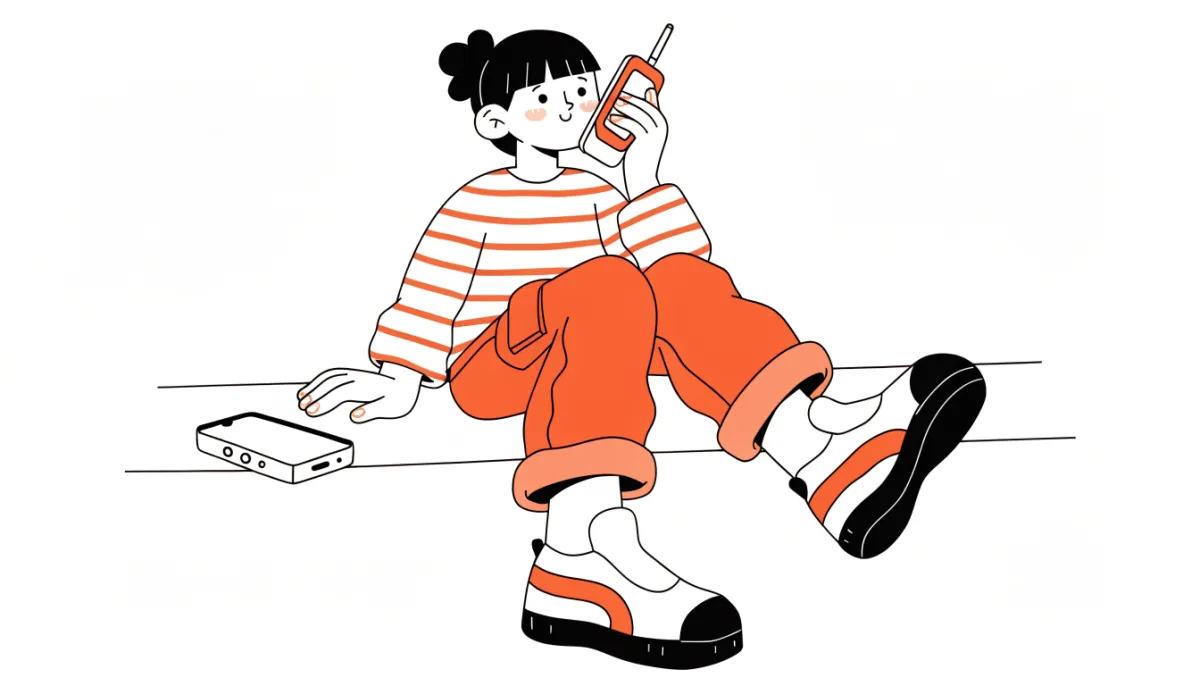
I was scrolling through some TikTok clips the other day when I noticed how many of them featured a chunky little Nokia flip phone snapping open with that satisfying clack. It got me thinking about a conversation I had last month with a college student who had swapped her iPhone for one. She told me the constant pings were starting to feel like they owned her attention, not the other way around. That stuck with me because it lines up with what I’ve been seeing in stories about younger people reaching for older, simpler tech.
A Push Against the Always-On Life
They’re picking up flip phones, refurbished iPods, PSP handhelds, vinyl records, even Tamagotchis and typewriters. It isn’t just nostalgia. It feels like a deliberate step back from the always-on digital world they’ve grown up in.
Sales of basic phones among people 18 to 24 jumped sharply between 2021 and 2024, according to one study. Nokia has been reissuing models like the 3310 and 2660, and they sell out quickly. Some are trying what they call a flip phone summer, leaving the smartphone behind for a while and carrying something that mostly handles calls and texts. One 19-year-old said he boxed up his smart device, taped it shut, and switched to a notebook and an MP3 player. Writing things down felt more personal to him, less run through an algorithm.
The Underlying Frustrations
It’s tempting to dismiss all this as another thing TikTok is pushing, since the hashtag for bringing back flip phones thrives on the same platform that runs on endless scrolling. But the frustration underneath seems genuine. Surveys suggest about 80 percent of this age group worries about how tied they are to their devices, with many spending four and a half hours or more on their phones each day. That creates a kind of loop that ends up leaving you more drained than connected.
Music, Games, and Physical Media
The same impulse shows up elsewhere. Refurbished iPods are gaining traction, with searches for the classic models rising on resale sites. Schools that ban phones during the day have boosted demand for dedicated music players, letting kids listen without the interruption of notifications. In gaming, old PSPs are finding new life for offline play, that tactile moment of sliding in a disc and focusing without online distractions. People mention it feels more absorbing than their current consoles precisely because of those limits.
Rental shops for DVDs and Blu-rays are seeing more members too, and vinyl continues to do well in certain categories. Even cassettes are getting some attention from indie circles. There’s a ritual to it: sliding a record from its sleeve, setting the needle down, hearing the slight crackle before the music kicks in. It forces a slower pace than flipping through a streaming list.
Small Rituals and the Contradictions
Little things add to it: disposable cameras for their unpredictable shots, or Tamagotchis marking anniversaries with fresh sales. Typewriters appeal to those who want to write without tabs or constant edits tempting them. Some of this comes from parents as well, millennials who remember early internet days now handing their kids landlines or VHS tapes to give them a taste of unplugged time.
What interests me is the contradiction. The platforms flooding us with content are the same ones where this push for analog life gets shared and performed. I wonder how long it lasts once the novelty fades or hunting for working old hardware gets expensive. Still, it points to real fatigue with endless choices and subscriptions. Holding something physical or using a device with built-in limits can feel like reclaiming a bit of control, however small.
I’ve watched enough cycles of tech excitement and backlash to doubt this will push smartphones aside for most. But seeing younger people choose to unplug in pieces of their lives says something about what they want from their tools: presence more than constant access, a little friction instead of everything smoothed out. It makes you think about whether future gadgets might intentionally borrow some of that restraint, without needing to go fully retro.