Why Gen Z Keeps Reaching for the Analog Stuff
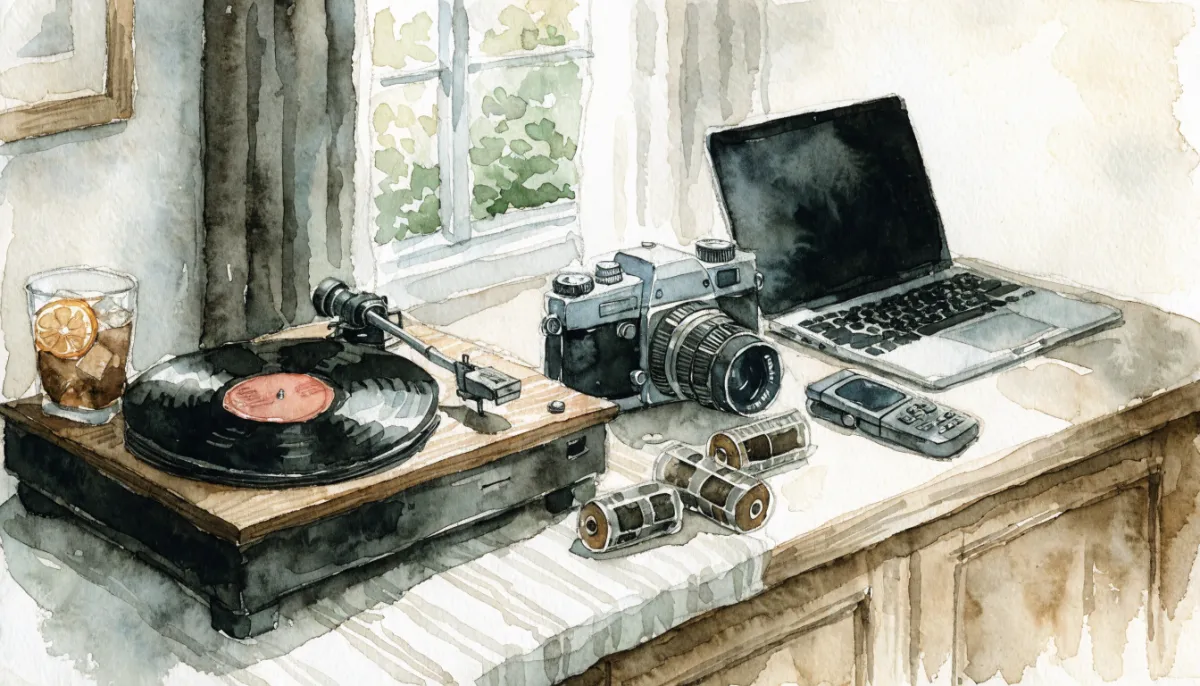
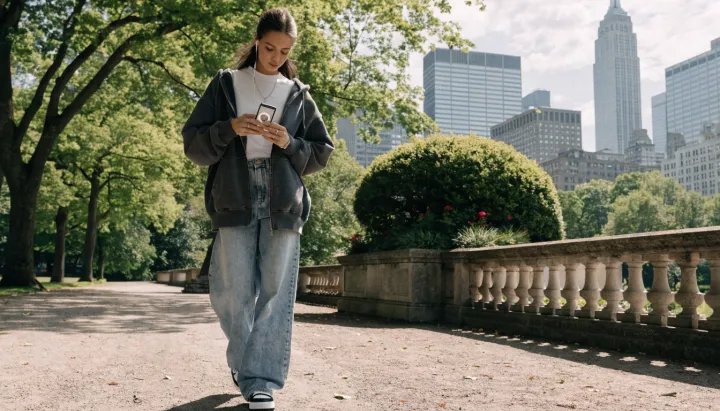
I keep coming back to a conversation I had last month with my niece, who's squarely in the Gen Z camp. She was showing me her new setup – a turntable spinning actual vinyl next to her laptop, a drawer full of film rolls for her old Pentax, even a flip phone she pulls out on weekends when she wants to unplug. At first it sounded like pure nostalgia, but the more we talked, the more it clicked as something deeper than just retro chic.
She's not alone. Across her generation, kids who've grown up with eight to ten hours of screen time daily are hitting a wall. The constant scroll, the algorithmic feeds, the way everything feels temporary and rented – it's breeding a quiet exhaustion. So they're reaching for things that demand attention, that give something back when you put effort in. Dropping a needle on a record isn't passive; you choose it, you handle it, you listen without distractions popping up. Same with loading film into a camera – that little mechanical click when the advance lever locks feels worlds away from tapping a shutter button on your phone.
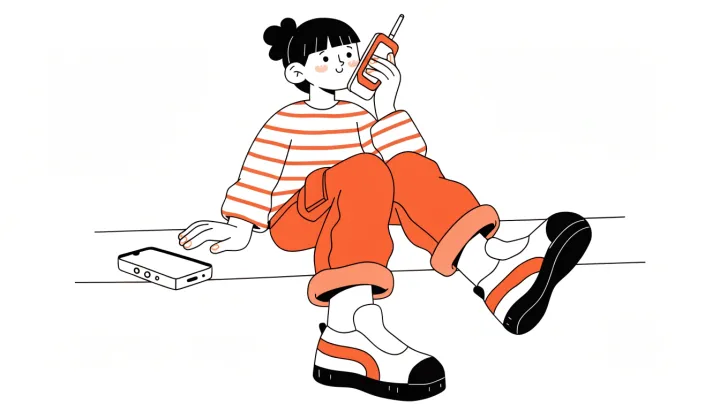
What surprises me isn't the trend itself but how it's scaling. Vinyl sales have jumped over 200 percent in the last decade, pushing past a billion dollars last year. CDs are making a comeback too, up 74 percent year over year in some reports. Film camera manufacturers are struggling to keep up with demand for new models like Pentax's latest. Even flip phones are trending as 'dumb' alternatives that limit the endless notifications. It's not about rejecting technology completely; plenty of these same people use TikTok to talk about their analog finds.
The psychologists have a point when they tie it to mental health. Tactile experiences like this seem to cut through the anxiety that endless digital options create. There's ownership in physical media – a record is yours, you can resell it, pass it on. Streaming feels more like a subscription that could vanish tomorrow. And the nostalgia factor plays in too, but it's less about the 90s they barely remember and more about craving intentional rituals in a world designed for distraction. Some are calling their carefully curated spaces 'nestalgia' rooms, blending vintage pieces with modern life.
Of course there's friction here. Not everything analog is practical, and sustainability arguments get complicated when you're shipping physical goods around. Still, watching a generation raised on infinite digital choice actively limit themselves feels like a meaningful pushback. It makes me wonder what parts of this will stick once the novelty fades – whether we're heading toward a hybrid world where AI handles the mundane and analog keeps the soul intact.