When Crude Jumps, the Pump Follows
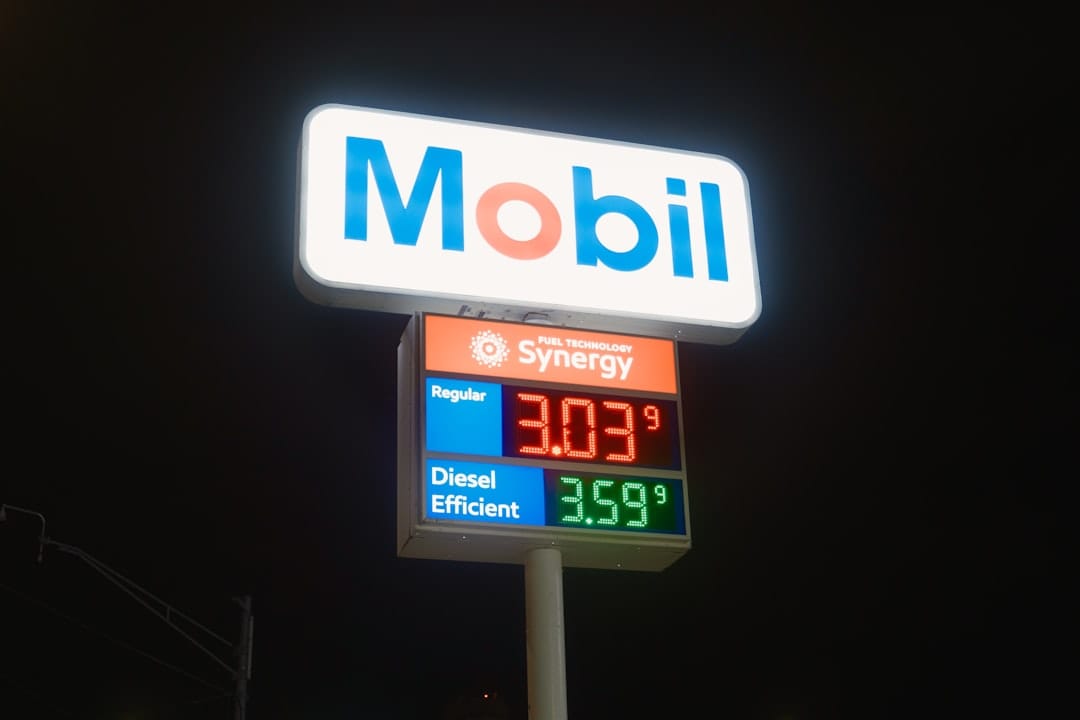
Last month on February 28 the national average for a gallon of regular gas stood at $2.984. By the middle of this week according to AAA data it had reached $3.598, the highest since May 2023. Sixty cents in less than three weeks does not go unnoticed at the pump, yet it also invites a closer look at what is driving it.
The immediate cause traces back to the joint strikes the United States and Israel launched against Iran on that same late-February day. Iranian retaliation came quickly: attacks on tankers in the Persian Gulf and Strait of Hormuz, followed by strikes on energy infrastructure in the UAE, Qatar and Saudi Arabia. By mid-March the world’s most critical oil chokepoint was effectively contested, disrupting roughly one-fifth of global supply. Brent crude climbed above $109 a barrel, West Texas Intermediate neared $98, and analysts began discussing $150 oil, or even $200, as more than speculation.
The administration responded in familiar ways. President Trump ordered the release of 172 million barrels from the Strategic Petroleum Reserve and temporarily waived the Jones Act to ease fuel movement. The International Energy Agency has drawn down reserves and floated further releases. Yet these steps feel like attempts to blunt the edge of a shock rather than address its source. Shipping companies report rerouting delays, insurance rates have spiked, and the physical flow of oil through the strait remains uncertain despite offers of naval escorts the Pentagon says are not yet feasible.
For American drivers the arithmetic is straightforward. Higher crude prices pass through to the pump with little delay, especially when refining capacity and seasonal demand are already stretched. Diesel has crossed five dollars in some places. The broader economic ripple is harder to measure in real time: analysts talk about an added point of inflation, volatile stock markets, and political pressure ahead of midterm elections. What remains unclear is how long this disruption will last. The conflict shows no immediate signs of resolution, and each new attack on Gulf facilities pushes the recovery timeline further out.
Moments like these invite simple narratives—supply shocks, geopolitical miscalculations, or the limits of strategic reserves. The truth seems more layered. The Strait of Hormuz had long been treated as a managed risk rather than an active vulnerability. Current events expose how quickly assumptions about energy security can unravel. Even if prices ease once shipping resumes, the episode leaves questions about dependence on a single waterway, the effectiveness of emergency measures, and how fast global markets price in uncertainty.
In the meantime the numbers at the gas station keep ticking upward, a daily reminder that distant events in the Persian Gulf translate quickly into ordinary costs at home.