What Keeps Drawing Me Back to the Albanian Coast
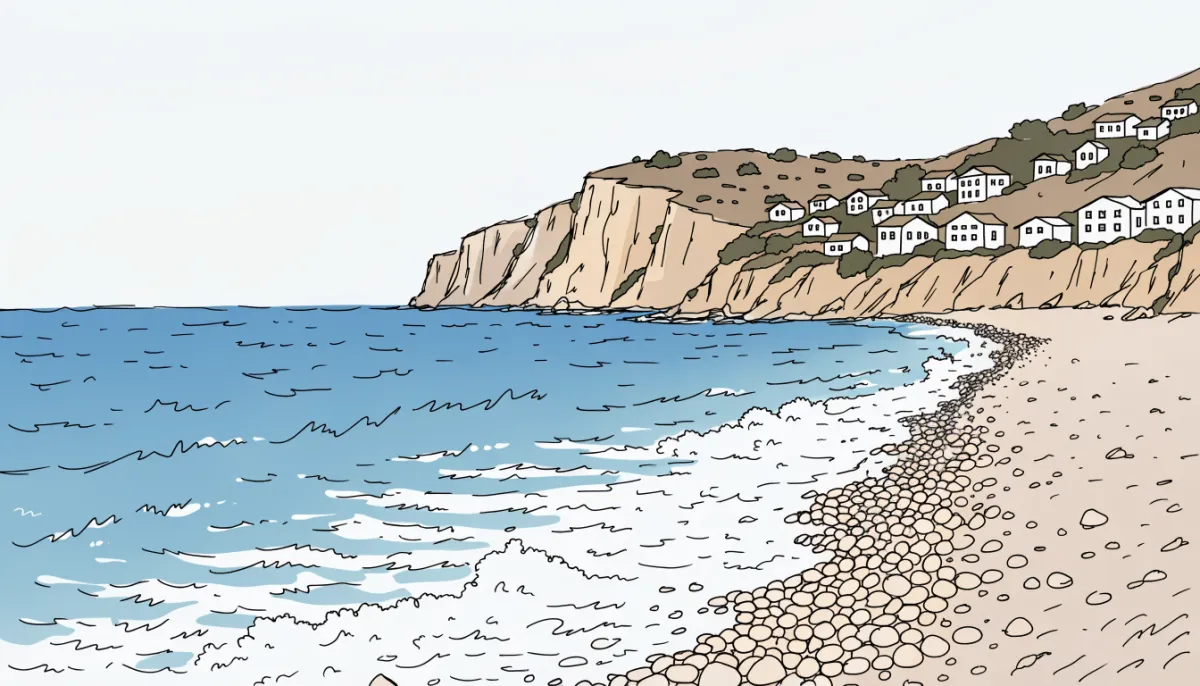
I still remember the first time the road dropped down toward Himarë. The bus had been grinding up and over the Llogara Pass, where the air smelled of pine and the driver kept one hand on the horn around every blind corner. Then suddenly everything opened up—turquoise water, steep hillsides dotted with white houses, the kind of view that makes you forget whatever else you were thinking about. That was my introduction to the Albanian Riviera, and nine years later it still feels like one of those places that hasn't quite figured out what it wants to be yet. Which might be exactly why it keeps pulling me back.
The stretch from Vlorë down to Sarandë isn't long in miles, but it shifts character every few kilometers. Up north you get the working port energy of Vlorë, where local families pack the beaches on weekends and the fish restaurants serve whatever came in that morning. Further south, things get wilder. I once hiked down to Gjipe Beach on a breezy day, following a narrow path that hugged the cliffs until the cove appeared below. White pebbles, dramatic rock walls, water so clear you could watch your own feet stirring up tiny clouds of sand. It wasn't empty—there were a few tents and some day-trippers—but it still felt like a secret.
Ksamil gets the most attention, and for good reason. The sand is fine and pale, the islets just offshore make perfect swimming targets, and yes, it does look a bit like the Maldives if you squint and ignore the sun loungers lined up like soldiers. But I've always been drawn to the smaller spots in between. Himarë struck that sweet balance between having enough places to eat and sleep without feeling like it was performing for tourists. I stayed in a simple guesthouse above the old town one September, waking up to the smell of coffee and the sound of roosters arguing. The owner insisted I try the fresh figs from his neighbor's tree before I left each morning. Those small details stay with you.
The boat trips are where things get properly magical. I joined one out of Himarë early one morning, the kind that costs about thirty euros and takes you to hidden coves. We puttered along the coast, stopping at Grama Bay where the water was such an intense blue it almost hurt to look at it. Our captain, a guy named Luan who spoke about six languages badly but enthusiastically, showed us a cave you could only reach by swimming through a narrow opening. Inside it was cool and echoey, the kind of place that makes you whisper even when there's no need. On the way back we passed a beach accessible only by sea, where a local family had set up a tiny grill and was selling grilled squid straight off the boat. I bought two portions and ate them standing in the shallow water, salt on my skin and lemon on my fingers.
The Quiet Pull of Everyday Encounters
What surprised me most, both then and on later visits, was how affordable everything remained. Meals rarely pushed past ten euros even in nicer spots, and rooms in the shoulder seasons—May or September—were half what you'd pay across the water in Corfu. That's changing, of course. There are new boutique hotels in Dhermi, places with infinity pools and music playing by the bar. The luxury end is arriving slowly, with spots like Manta Resort offering private beach access that feels a world away from the backpacker guesthouses nearby. But the core of it still feels accessible, which is rare these days.
I kept thinking about that while walking through the old village of Vuno one afternoon. It's just a cluster of stone houses perched on a hillside, laundry flapping between windows and cats observing everything from shaded doorways. Most people drive straight through on their way to the beaches below, but I stopped for a coffee at a tiny bar where the owner spoke no English and we communicated mostly in smiles and gestures. He brought out a small glass of raki without asking, the strong homemade kind that catches in your throat. We sat there watching the light change on the sea far below, and I realized this was the part of the Riviera that might not survive the coming years intact—the quiet, slightly awkward, deeply human moments between the beautiful views.
Balancing Growth and Character
There's talk of more infrastructure, of course. Better roads, more hotels, the kind of development that follows when a place gets noticed. The challenge will be keeping some of that unpolished charm while welcoming more visitors. From what I've seen, the locals are pragmatic about it. Tourism has brought money to places that desperately needed it, but nobody wants another overcrowded Greek island. The Blue Eye spring, that strange turquoise pool fed by underground rivers, already gets plenty of tour buses in peak season. I prefer to visit early or late in the day when you can hear the water moving underground instead of just the chatter.
If I had to pick one memory that sums it up, it would be the evening I spent in Borsh. Albania's longest beach stretches out for kilometers there, backed by olive groves rather than hotels. I watched the sun drop behind the mountains while eating a plate of fresh sardines at a simple taverna right on the sand. A group of older men were playing cards at the next table, occasionally breaking into loud laughter that carried on the breeze. No music, no influencers posing with cocktails, just the sound of waves and people enjoying the end of a warm day. It felt like the kind of place that still belongs mostly to itself.
The Albanian Riviera won't stay undiscovered forever. But for now, at least in the quieter months, it offers something increasingly hard to find: a beautiful coastline where you can still have a genuinely personal experience, where the person serving your coffee might also be the one who grew the figs you had for breakfast. I'll keep going back as long as that lasts.