What a $599 MacBook Might Change
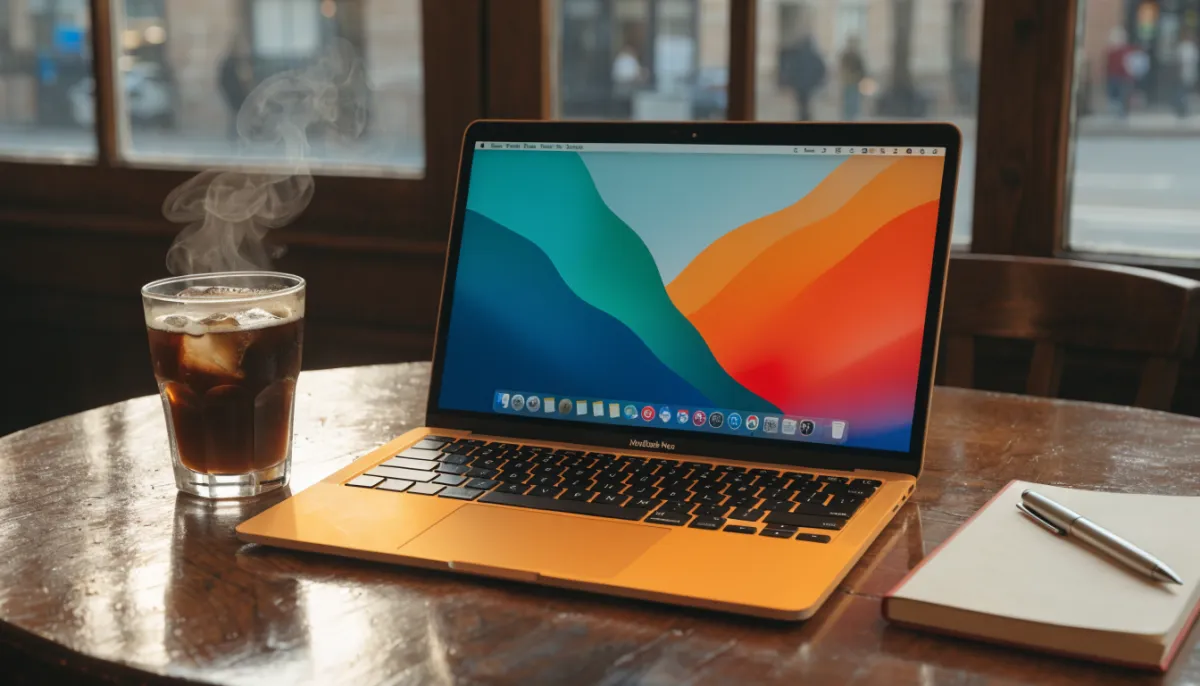
I was scrolling through my usual feeds the other morning, coffee in hand, when the news about Apple's latest laptop stopped me mid-sip. A MacBook starting at $599? That price feels more at home with Windows machines or the bright plastic Chromebooks schools give out, not an Apple product. But here it is, the MacBook Neo, now shipping, and suddenly the gap between premium and practical looks a lot narrower.
At its core is the A18 Pro chip, the same one running the iPhone 16 Pro. Benchmarks show it hitting around 3461 in single-core Geekbench and 8668 multi-core, about 50 percent quicker than many mid-range Intel or AMD processors for normal stuff like web browsing, documents, and basic photo editing. It comes with 8GB of unified memory and starts at 256GB storage, clearly aimed at students, families, or anyone whose days involve streaming, emailing, and light creative work rather than heavy video renders or simulations. The 13-inch Retina screen looks sharp, battery life reaches up to 18 hours, and the aluminum body comes in pleasant colors like blush, citrus, indigo, and silver. No touchscreen, though. That still belongs on the iPad side.
The price is the real story. Apple held onto solid build quality while landing at this point, and the education discount brings it down to $499, which could matter for schools still stuck on Chromebooks. Early guesses suggest it might move 4 to 5 million units this year, nudging Apple's notebook sales up nearly 8 percent even as the broader PC market shrinks. Apple's hardware lead, John Ternus, mentioned that close to half of Mac buyers these days are new to the brand, and this model seems designed to welcome more of them. They're leveraging their own silicon to keep costs down when parts prices are rising for everyone else, a practical step in a tight market.
There are compromises, naturally. The fixed 8GB of memory has people worried, especially now that AI tools can be hungry for RAM, and you cannot upgrade it later. This is not built for professionals; if your work involves serious multitasking or anything beyond casual creative tasks, the Air or higher will still make more sense. For its intended users, though, it feels responsive where it counts. It runs macOS Tahoe with the usual smooth ties to your iPhone, and the Apple Intelligence features fit reasonably on a more affordable device. I've tried a handful of similar budget laptops recently, and the real proof will be how it performs for actual students who aren't hammering it with endless tabs.
The launch makes me think about how Apple has gradually opened up its ecosystem without losing what makes a Mac feel distinct. The Neo doesn't replace anything already in the lineup; it sits below the Air, reaching people who might otherwise pick a standard Windows laptop. Whether it draws enough new users to shift the numbers, or if the memory cap becomes a problem, is something I'll watch in the coming months as these appear in classrooms and cafes. In the end, it's less about the numbers on a spec sheet and more about whether this makes buying your first Mac feel possible for a bigger crowd.