The Wind That Waited on Vágar
I still remember the way the wind hit me when I stepped off the small plane onto Vágar. It wasn't dramatic, just insistent, like it had been waiting for someone to notice it. The research hadn't prepared me for how quiet it felt. Not silent—there was the low hum of the sea and the occasional sheep bleat—but empty in a way that made every footstep echo.
We'd flown from Copenhagen, a quick hop that felt longer because of the clouds. The pilot banked hard over one of those sheer drops, and for a second the water below looked close enough to touch. I gripped the armrest, thinking this was the kind of place where the landscape doesn't ask permission.
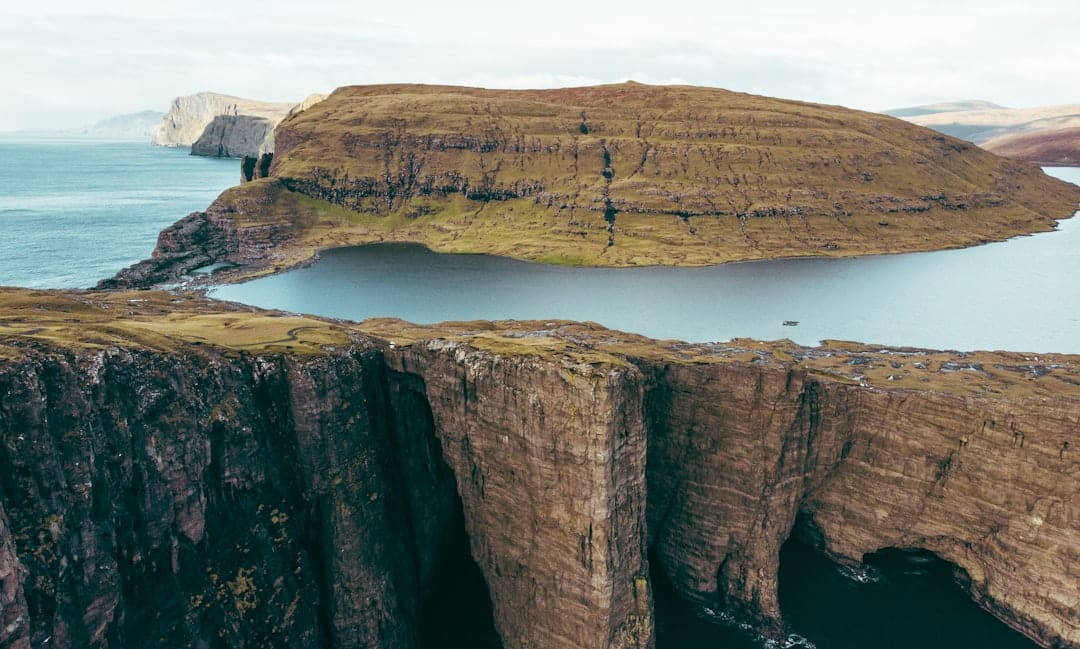
That first afternoon we hiked toward the lake that seems to float above the ocean—Sørvágsvatn, they call it. The path was muddy in places, the kind of trail where you pay attention to your boots more than the view at first. Halfway up, the fog lifted just enough to reveal the drop. It wasn't pretty in the postcard sense; it was abrupt, almost rude. A local guide pointed out the puffins nesting below on the cliffs, their orange beaks like tiny flags against the gray. They're only around from May to August, he said, and numbers have been off because of changes in the sea.
Later, driving the narrow roads between islands felt like threading a needle through rock and water. We stopped at a small guesthouse where dinner was simple—fermented fish and potatoes, nothing Instagram-ready but honest in a way that lingered. The owner mentioned the solar maximum coming in 2026, how the northern lights might dance brighter than usual over the fjords. It made me wonder if all this talk of new visitors would bring more helicopters and tour buses, or if the place could absorb it without losing its edge.
By evening the rain had started, soft at first then steady against the windows. I sat with a cup of something warm, listening to the wind test the roof. The islands feel both ancient and tentative, like they're holding their breath against the next storm or the next wave of visitors. Nothing grand happened that day, no revelations or perfect moments. Just the persistent sense that this stretch of North Atlantic rock doesn't care about any of that. And yet here we are, drawn to its rough edges all the same.