The Slow Rot That Tastes Like Tomorrow: Fermented Flavors Taking Over 2026 Dining
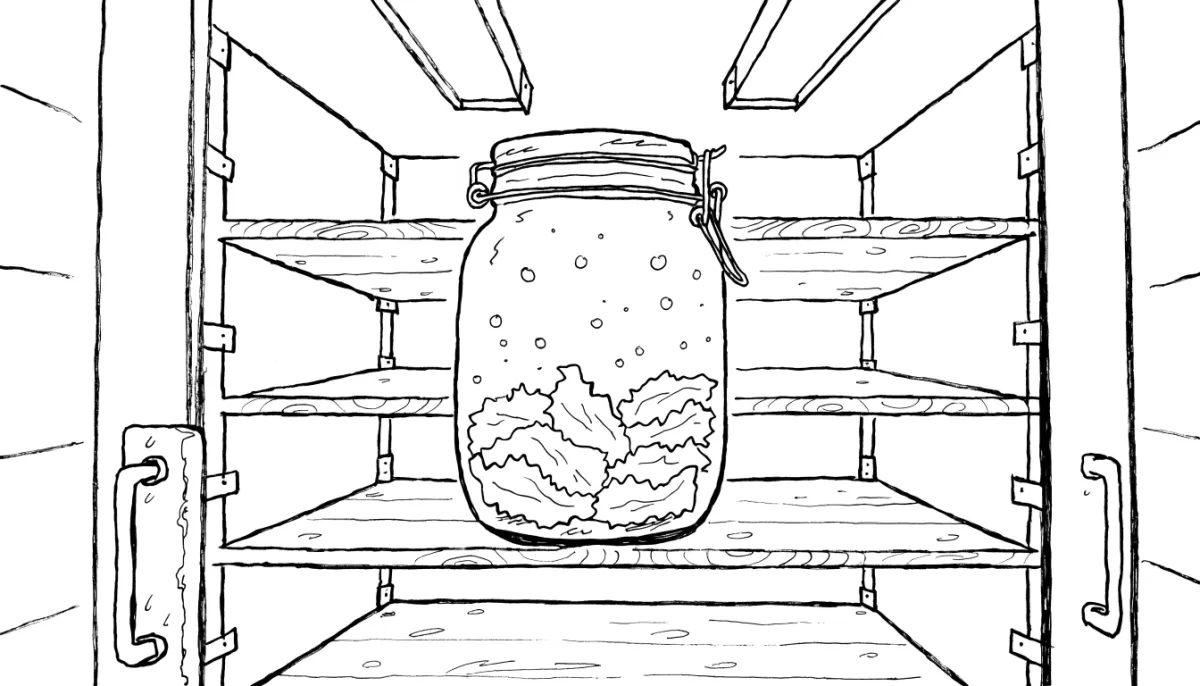
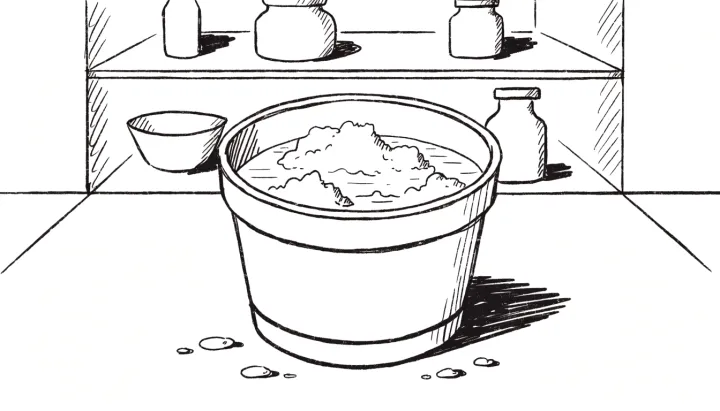
The walk-in hums low and steady at 2 a.m., the only sound besides the drip of condensation off the cooling coils. I pop the lid on a five-gallon bucket that's been sitting since last month and the smell hits like a memory you didn't ask for: sharp, funky, alive. A lacto-fermented cabbage that started as scraps now carries layers no quick pickle or fancy vinegar could touch. This is 2026 dining in a jar.
The Return of Time as an Ingredient
Fermentation isn't new. Every halfway decent kitchen has had its batch of something bubbling in the corner for decades. But this year the inspectors and forecasters are calling it out loud: preserved and fermented flavors are one of the defining shifts. Michelin inspectors spotted it across continents. James Beard forecasts and Symrise flavor reports back it up. It's not about health claims or probiotics anymore. It's about depth that only time, salt, and a little rot can deliver.
Chefs aren't drizzling it on for effect. They're building entire menus around house ferments that take weeks or months. The umami creeps in slow, the acidity balances without screaming, and suddenly a dish tastes like it has a past worth remembering.
What the Kitchens Are Actually Doing
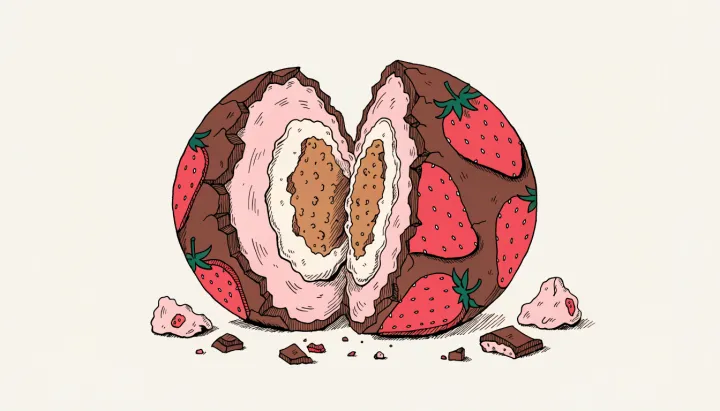
In Bangkok at Baan Tepa, those long in-house ferments season nearly everything. They've got shrimp paste, koji work, and fruit ferments layered into dishes that feel both ancient and brand new. Plates in London slips miso into a warm cocoa sponge with parsnip ice cream, the savory edge cutting the sweet in a way that makes you pause mid-bite.
Over in France, La Marine matures fish daily in their cold rooms. No rush, just controlled breakdown that concentrates flavor without the fish ever crossing into spoiled. In Québec, lacto-fermentation stretches winter produce into something worth serving. Kuala Lumpur's Terra Dining even drops fermented shrimp paste into sweet courses. The line between savory and sweet gets blurry in the best way.
This isn't molecular gastronomy theater. It's the opposite. It's restraint. It's letting bacteria do the heavy lifting while you watch the calendar instead of the clock.
Why Now? The Honest Reasons
Flavor complexity sits at the top of the list. That slow-building funk and tang beats the hell out of another powdered enhancer. Sustainability rides shotgun: turning trim, scraps, and short-season abundance into pantry staples cuts waste without preaching about it. Extending the harvest feels practical instead of virtuous.
It also scratches something deeper. After years of foams, gels, and instant everything, cooks are remembering that good food often tastes like patience. The burn on your forearm from a hot pan is immediate. The payoff from a three-month ferment is the kind of satisfaction that lingers days later.
The Aftertaste
I close the bucket lid and the walk-in falls quiet again. Tomorrow's service will taste a little better because of what was left alone to change. No press release necessary. Just jars in the back, time doing its dirty work, and plates coming out that somehow remember where they came from. In a year full of trends, this one doesn't need to shout. It just needs to sit there and get better.