The Quiet Purple Takeover: Why Ube Is Having Its Moment in 2026
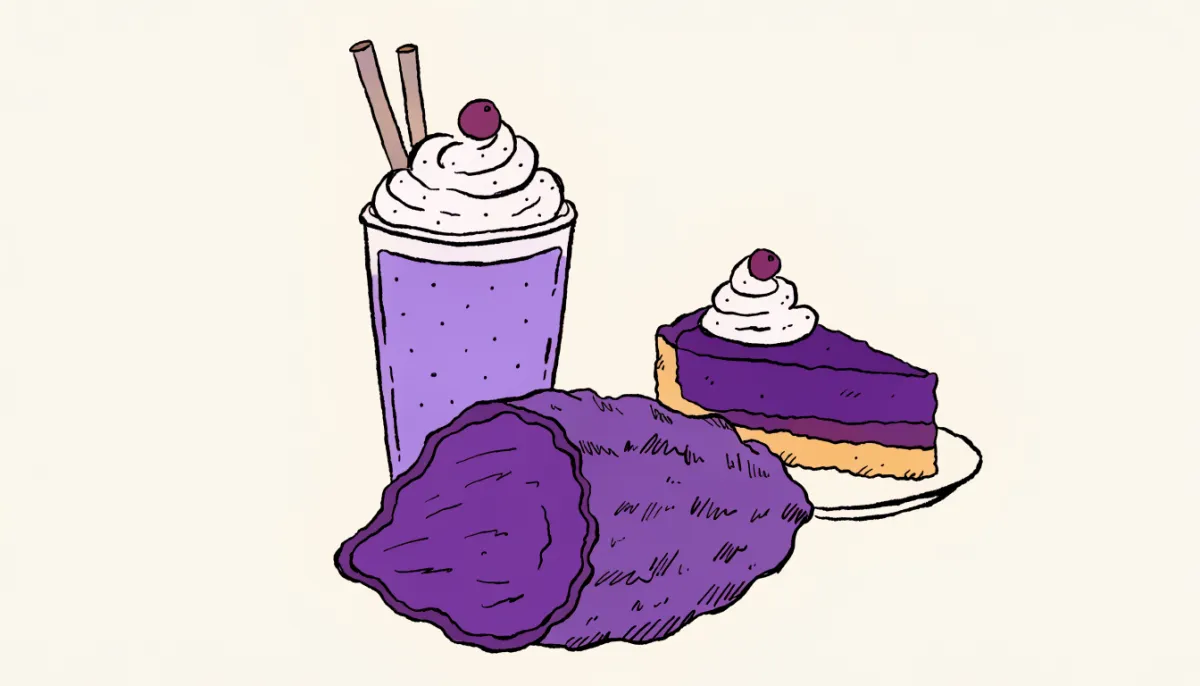
A soft, earthy purple has been creeping onto menus and into grocery freezers. Not the artificial neon of years past, but a natural one from ube, the purple yam long central to Filipino cooking. In 2026 it feels less like a sudden explosion and more like a steady arrival. Chefs and baristas are using it in lattes, cheesecakes, and pancakes, drawn to its gentle sweetness and the way it photographs without filters.
Roots and Flavor
Ube, or Dioscorea alata, has been cultivated in the Philippines for centuries. Its flesh is a vivid violet, its taste subtle: vanilla-like with hints of coconut and nut. Filipinos traditionally turn it into halaya, a thick jam used in cakes, ice cream, and halo-halo. The flavor is mild enough to play well with other ingredients without shouting.
That mildness is part of the appeal for mainstream adoption. Unlike stronger trending flavors, ube offers a creamy, agreeable sweetness that works in both sweet and some savory applications.
From TikTok to the Counter
Social media accelerated things. Vibrant purple desserts and drinks spread quickly on Instagram and TikTok. Searches for “ube matcha” jumped over 200 percent in recent reports. Chains like Starbucks tested limited-run ube coconut drinks and ube matcha variations that drew lines and posts. Groceries responded: Trader Joe’s, Kroger, and others now stock ube ice cream, pancake mixes, and spreads.
Filipino coffee shops and bakeries have led the way, using ube alongside pandan, calamansi, and other home flavors. Some worry that the focus on color overshadows the cultural roots, but the increased visibility has also brought more attention to Philippine ingredients overall.
On the Menu in 2026
Expect to see ube in more places this year: purple cheesecakes, swirled soft-serve, cocktails with coconut rum and pandan, and those eye-catching ube-matcha drinks. The color makes it inherently photogenic, but the better versions let the gentle flavor come through rather than relying on dye or sugar.
Retail shelves have caught up too. Ube products appear at major chains, though some tasters note that mass-market versions can taste muted compared with traditional halaya from Filipino markets or home kitchens.
The Bigger Picture
Ube fits the current interest in ingredients that feel both familiar and a little different. It arrives without artificial coloring, offers a mild sweetness many enjoy, and carries a story from Filipino tables to global ones. Whether it becomes a lasting staple or a seasonal favorite remains to be seen, but for now it adds an easy note of color and curiosity to breakfasts, desserts, and afternoon drinks.
Sit with it over coffee or in a slice of cake and you get the quiet pleasure of something that has traveled far from its origins without losing its essential character. That may be the real reason it keeps showing up.
Sources
- Ube matcha, Indian cuisine, fibermaxxing and other delicious dining trends for 2026
- Purple Craze: Ube Moves from Filipino Tradition to Viral Trend
- What Is Ube? How the Filipino Staple Became Americans’ New Favorite Flavor
- Filipino Coffee Shops Are Pushing Fun Little Coffee Drinks Forward
- Is 2026 the new 2016? Why these viral food trends seem so familiar