The Quiet Calculation Behind a Poisoning
In a Park City courtroom last week, Kouri Richins sat with her head hung low as a jury delivered its verdict after just three hours of deliberation. The 35-year-old real estate agent and mother of three was found guilty of aggravated murder in the death of her husband, Eric, along with attempted aggravated murder, forgery, and two counts of insurance fraud.
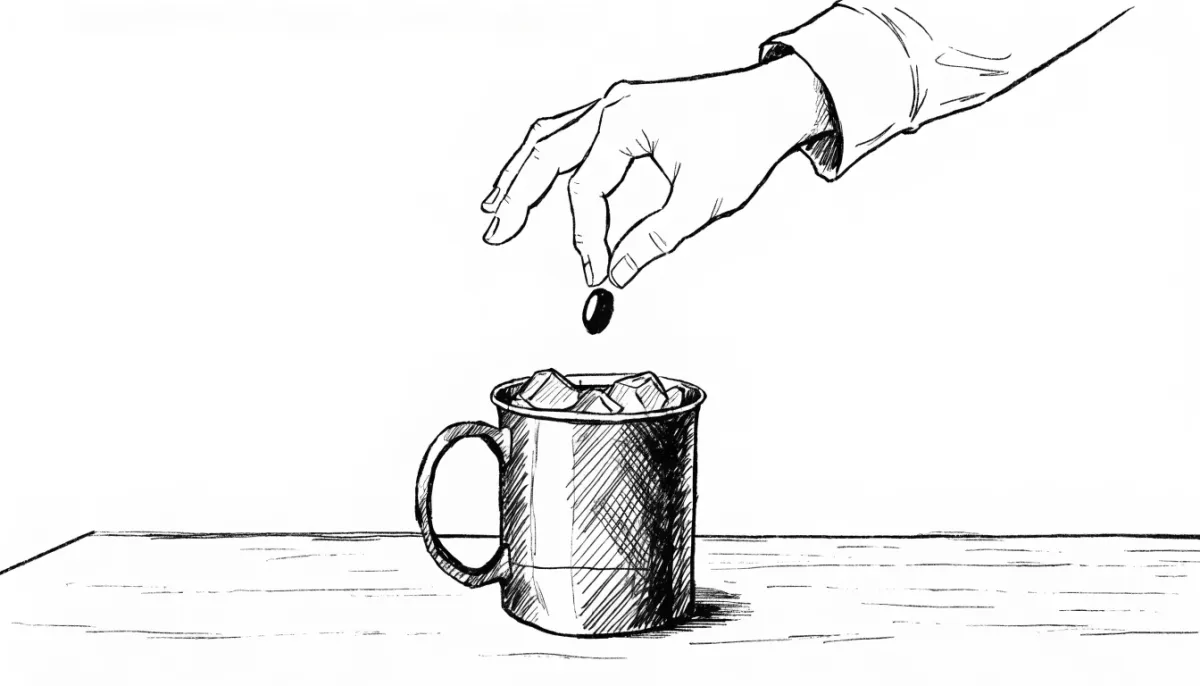
Prosecutors showed how she slipped a lethal dose of fentanyl—five times what would kill most people—into a Moscow Mule he drank at home one night in March 2022. The evidence was almost entirely circumstantial, yet it proved persuasive.
Richins had accumulated massive debts, close to $4.5 million, through secret loans and shell companies. She had taken out life insurance policies on Eric without his knowledge, totaling around $2 million. Texts and testimony pointed to an affair and fantasies of escape funded by an inheritance she believed would come her way. A housecleaner described buying fentanyl-laced oxycodone for her. An earlier attempt, jurors were told, involved a fentanyl-spiked sandwich on Valentine’s Day that left Eric briefly unconscious but alive.
Eric, a 39-year-old stone mason with his own business, had begun to uncover some of the financial deceptions before his death. He consulted a divorce lawyer and placed assets in a trust. His death left behind three young sons, now in the custody of his family.
Richins, meanwhile, spent more than a million dollars of the insurance money in the months after and later published a children’s book about coping with grief, which she promoted on local television. Prosecutors presented the book as part of a calculated image she built to deflect suspicion.
The defense argued that the case rested on inference rather than direct proof of how the fentanyl entered the drink. Richins chose not to testify, and her lawyers called no witnesses of their own. Yet the jury saw a pattern: mounting financial pressure, hidden policies, shifting explanations, and access to the drug through intermediaries. One juror later described the deliberations as somber, with several members hoping they might reach a different conclusion but unable to square the evidence with reasonable doubt.
What lingers is less the drama of a courtroom spectacle than the ordinary mechanics that seem to have led here. Debt taken on quietly, policies signed in secret, a marriage fraying under the weight of deception until one party chose a permanent exit over negotiation. Fentanyl, cheap and potent, provided the means in a way that pills or violence might have drawn quicker attention. The opioid crisis has made such substances easier to obtain even in suburban settings far from the usual stereotypes.
Sentencing is set for May 13, which would have been Eric’s 44th birthday. Additional financial charges remain pending. Appeals are likely, as they often are when a case leans so heavily on motive and pattern rather than video or confession. The three boys will grow up without either parent in the home, a fact the juror called heartbreaking. In the end, the verdict turned not on a single smoking gun but on whether the pieces formed a picture clear enough to act on. The jury decided they did.