The Quiet Bloom
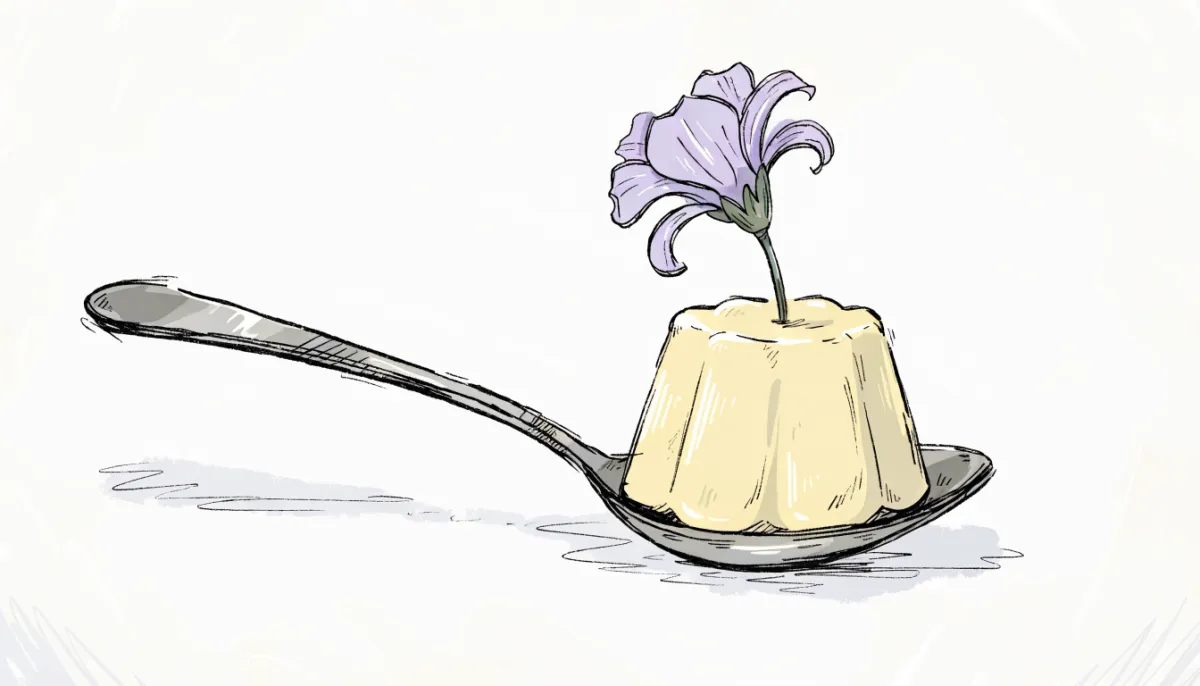
The first time I tasted lavender in something that wasn't soap, I was standing in the walk-in of a little French place in the Village, spooning what the pastry guy swore was a honey-lavender panna cotta straight from the hotel pan. It was late, service had been a bloodbath, and my back hurt the way it only does after fourteen hours on the line. The sweetness hit first, then this soft, almost dusty floral note that made the cream taste like it had been sleeping in a field somewhere. Nothing dramatic. Just... different. Cleaner. I remember thinking, this doesn't belong in a kitchen that smells like fryer oil and regret. But it worked. And now, a decade and a half later, it feels like the whole damn industry caught up.
I was reading through some trend reports the other night, the kind that land in your inbox with subject lines promising the future of flavor, and there it was again. Floral. Not as a garnish this time, not the obligatory chive blossom on the special, but as an actual player. Lavender as a candidate for flavor of the year. Elderflower slipping into core beverage lines. Hibiscus showing up in places that aren't just fancy lemonades. Gen Z, apparently, is driving a lot of it. Sixty-seven percent of them actively seeking out floral-infused stuff according to one of the studies. Makes sense. They've grown up with Instagram plates that look like gardens exploded, and a healthy distrust of anything that tastes like it came from a laboratory.
What gets me, though, isn't the numbers. It's how careful it all feels now. I spent years watching chefs throw rose petals on everything because it photographed well, then watching the same plates come back half-eaten because the flowers tasted like potpourri and cardboard. These days the difference seems to be in the restraint. These aren't screaming floral flavors; they're woven in. Paired with citrus to cut the perfume, or fruit to round it out, or something creamy to give it body. The Bickford folks talk about botanicals moving from limited editions into everyday products. Wixon calls it part of nature's pantry, right there with herbs and wild violets and juniper. Not decoration. Ingredient.
I thought about Chris Amendola up in Baltimore at Foraged, pulling actual edible flowers from local sources, treating them like the produce they are. Violets, clover, whatever's in season and clean. There's something honest about that, something that cuts through the trendiness. Same with the EPCOT festival doing entire menus around it, turning flowers into cocktails and bao buns and frozen lemonade. It's playful without being precious. The rose petal salt rim on a margarita isn't trying to be revolutionary. It's just nice. A small moment of something fragrant and unexpected in the middle of a theme park afternoon.
The wellness angle is there, of course. Always is these days. People want to believe their drink is doing something for them beyond tasting good, and florals carry that health halo without much effort. Three in five consumers think herbal, floral, botanical equals healthy, according to the data. Pair it with chocolate or ginger or whatever indulgence you're selling and suddenly it's not quite so sinful. I don't know if I buy all the food-as-medicine stuff, but I get the appeal. After years of heavy sauces and too much salt, there's a kind of relief in something that tastes like it grew out of the ground instead of a packet.
What I keep coming back to is the memory of that panna cotta. How it didn't announce itself. How it just sat there in the back of the fridge like a quiet promise that there was more to food than heat and protein and acid balance. These flavors we're seeing now—the lavender in entrees, the hibiscus in savory applications, the swicy rose-peppermint hybrids, the wild violet experiments—feel like an extension of that same quiet. Not shouting about being the next big thing. Just blooming where they're planted. Making things a little more interesting, a little more layered, without demanding your full attention.
I wonder sometimes if this is what happens when an industry gets tired of chasing loud. When we've done molecular gastronomy and deconstruction and whatever came after that. We circle back to what grows. To what smells like spring even when it's not. To flavors that remind us, however briefly, that we're still animals who once foraged for pleasure as much as survival. The pastry guy who gave me that spoonful years ago probably doesn't remember. He had no idea he was serving me the future of dining between the hours of one and three a.m. But I do. And every time I see a menu now with elderflower this or rose that, I take the bite. Or the sip. And for a second, the kitchen lights don't feel quite so harsh.