The Other Atlantic Island
I was halfway through a plate of grilled limpets in a Funchal side street when the waiter noticed my hiking boots. "First time?" he asked. I nodded. He poured me a poncha without being asked—sugarcane spirit, honey, lemon—and raised his glass. "To the island that doesn't need to try so hard." He wasn't wrong.
The First Flight Matters
For years, getting to Madeira from the United States usually meant routing through Lisbon or London, burning half a day in terminals and dealing with layovers that left you wrecked. That changed when United started flying direct from Newark to Funchal three times a week. Five hours, no connections. It wasn't revolutionary, but it made the trip feel possible instead of eventual.
Tripadvisor put Madeira at the top of its trending destinations list this year. Not because it's shiny and new, but because it's solid and wild. People go once and end up recommending it to everyone they know.
Follow the Water
Most visitors come for the levadas, the centuries-old irrigation channels cut into the hillsides to move water from the damp north to the drier south. Over time, they turned into some of the loveliest footpaths anywhere.
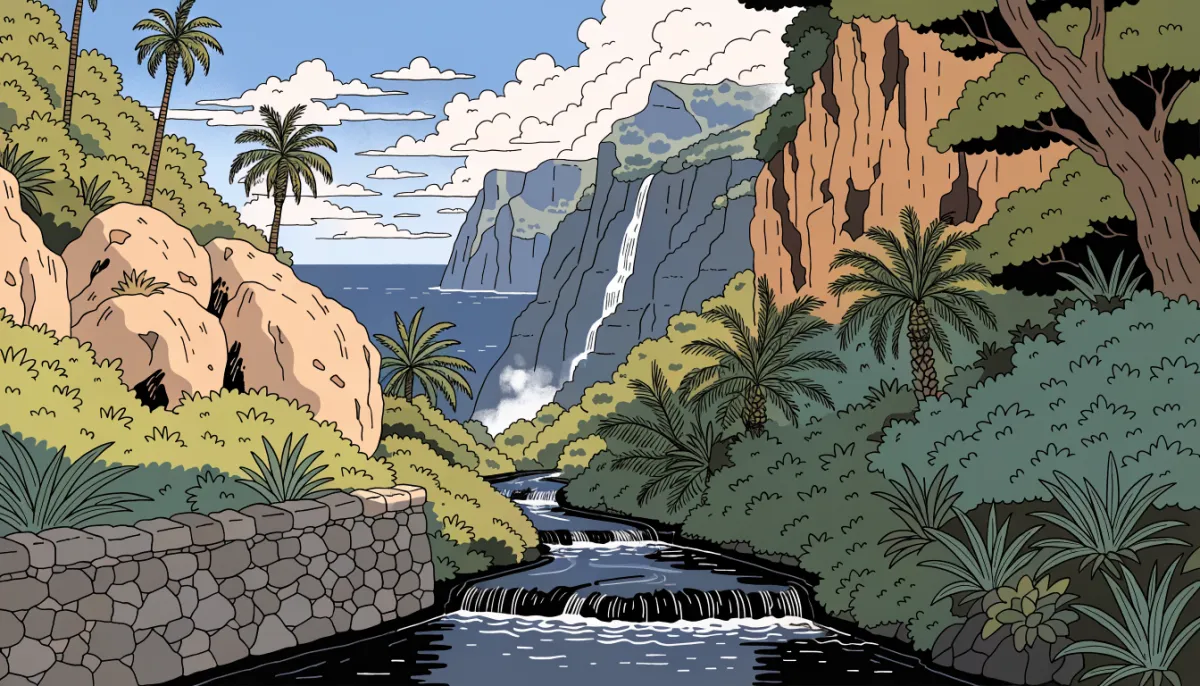
The full network stretches more than 2,500 kilometers—roughly the distance from New York to Miami, but all of it vertical and wrapped in ancient laurel forest. I hiked the Levada do Caldeirão Verde one foggy morning. Waterfalls materialized out of the mist before their sound reached me. The trail clung to a ledge above a valley so intensely green it seemed lit from within.
As of this year, the most dramatic paths in the UNESCO-protected Laurissilva Forest require reservations and a small fee. It felt a little wrong at first to book a hike like a restaurant table. But the path stayed quiet and clean. No discarded wrappers or crowds. The system seems to be working.
Pools in the Lava
At the island's northwestern tip, Porto Moniz is where the mountains meet the ocean without much ceremony. The town is known for its lava pools—seawater caught in black volcanic rock, warmed by the sun and refreshed with the tides.
You have options. The raw pools out near Ilhéu Mole are dramatic and unforgiving. The developed complex offers smooth access, lifeguards, and costs about a euro and a half. I shot a few photos of the wild ones, then spent the afternoon floating in the safer enclosure, watching big Atlantic waves crash just beyond the walls.
The drive from Funchal takes about an hour and a half on winding roads through eucalyptus and cloud forest. Get there before the buses roll in around eleven.
Simple Plates
The food doesn't pretend. Bolo do caco, that dense sweet-potato bread, arrives warm with garlic butter at nearly every meal. Espetada means beef skewered on laurel branches and grilled over an open fire. Together with a cold Coral beer, it's the kind of lunch you don't forget.
Black scabbardfish is another matter. This deep-sea creature looks like something from a bad dream, but fried with banana it somehow makes perfect sense.
Then there's the wine. The good Madeira, from dry Sercial to rich Malmsey. After a few tastes at one of the old lodges in Funchal, you see why sailors once loaded it onto their ships. It travels well and comforts easily.
Quiet Reasons
Madeira is getting attention right now. The new flights help. So does the sense that other famous coasts have grown too crowded. But the real draw has nothing to do with lists or moments.
It's that first morning in Funchal when you step onto the balcony, the city still quiet below, the air carrying eucalyptus, salt, and something faintly sweet you can't name. You think: this is going to be good. The island doesn't push. It just is.