The Lumpy Truth About Cottage Cheese in 2026
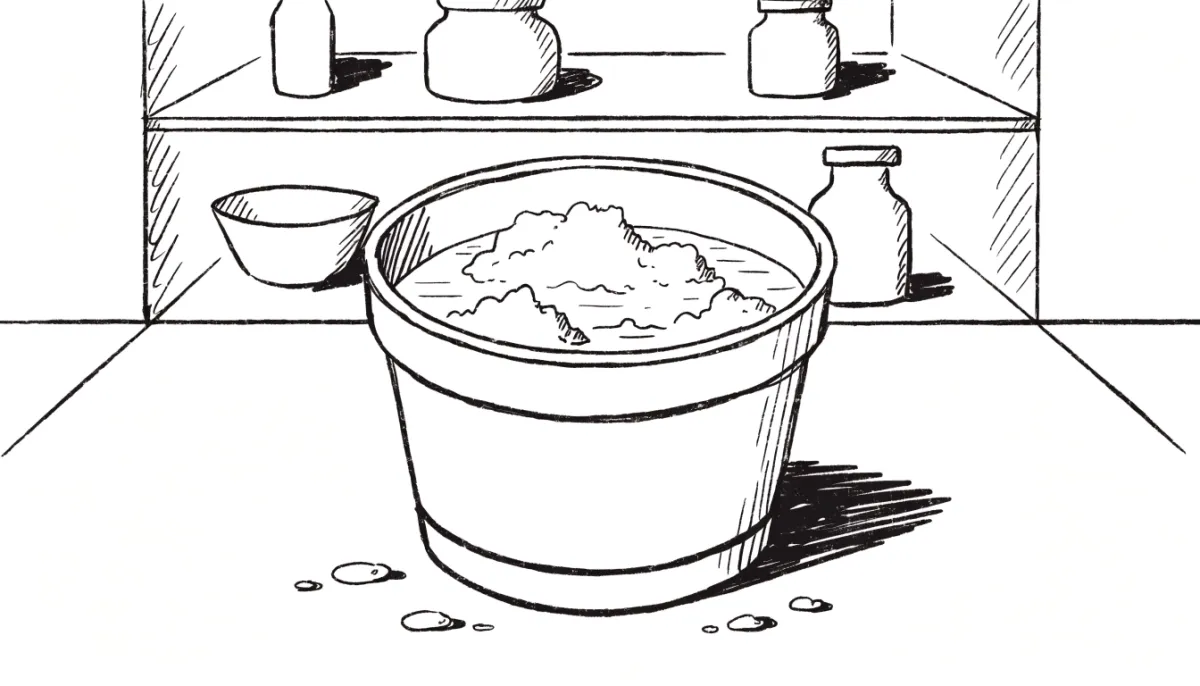
The walk-in door clangs shut behind you at two in the morning and there it is on the shelf: a tub of cottage cheese, those familiar curds floating in whey like some rejected science experiment from culinary school. I stared at it the other night after a brutal service, the kind where the grill guy burned his forearm twice and the fish came in funky. Fifteen years on the line taught me to distrust anything that looks like it belongs on a 1970s diet plate, but here we are in 2026 and the stuff won't stay on grocery shelves.
From Diet Staple to Viral Obsession
Cottage cheese never should have worked this well. It was the sad, lumpy thing your aunt ate with canned pineapple to lose weight. Then TikTok got ahold of it around 2023-2024. Influencers started blending the curds smooth, turning it into everything from high-protein ice cream to creamy queso dips and even pizza crusts. The videos racked up millions of views, people cleaned out store shelves, and the surge hasn't let up. Sales jumped as much as 20% in 2025. Some retailers saw tripled demand. Kroger put fermented and cultured dairy on their 2026 trend list, specifically calling out cottage cheese getting played with beyond breakfast—savory dips, protein-rich desserts, the works. Supply still can't keep up, so good luck finding your favorite brand some weeks.
The nutritional hook is real. About twenty-five to twenty-eight grams of protein in a cup, relatively low calories, and those live cultures for your gut. Blend it and the texture disappears. It stands in for ricotta, cream cheese, even yogurt in recipes. No wonder home cooks went feral for it. The messy part? It still looks like what it is—curdled milk. That visual hurdle is what makes the whole revival feel so human. We're not eating it because it's pretty. We're eating it because it delivers when you're exhausted and need something that doesn't taste like cardboard.
How It Tastes When You Actually Cook With It
I tried the blended version in a late-night experiment after that rough shift. Whipped it with garlic, lemon zest, and a pinch of chili flake. Spread it on toasted sourdough with a fried egg on top. The curds vanish but leave this quiet creaminess that carries salt and acid better than you'd expect. It doesn't scream for attention. It just works.
Sweet side holds up too. Mixed with honey and berries, or folded into pancake batter, it adds body without the heaviness of ricotta. Restaurants are starting to notice. Some chefs are sneaking it into small plates and functional starters, riding the protein wave without making it feel like gym food. The best versions I've heard about keep it honest—no pretending it's foie gras. Just good dairy doing what good dairy does when you stop overthinking it.
The ugly truth is that not every viral recipe survives contact with reality. Some of those TikTok hacks produce sad, grainy results if you don't blend properly or pick a decent brand. Premium ones like Good Culture with live cultures taste cleaner. The cheap stuff can taste like wet socks if you're not careful. That's the kitchen reality no influencer shows you—the burnt forearm, the misfired batch, the moment you taste it and wonder why you bothered. But when it hits right, it's quietly excellent.
Why It's Sticking Around in 2026
This isn't just another fleeting social media moment. It rides bigger currents—demand for real protein without ultra-processed junk, interest in fermented foods for gut health, and the desire for versatile ingredients that don't cost a fortune. The market is projected to keep growing. Brands are expanding production, but shelves still go empty. That scarcity almost makes it more desirable, like the last perfect seat at a busy bar.
In professional kitchens, we've always respected honest ingredients that do heavy lifting without fanfare. Cottage cheese fits that brief when treated with the same rough respect you'd give day-old bread or slightly wilted herbs. It bridges the viral home-cooking world and actual dining. No one is claiming it's revolutionary. That's what I like about it. It just quietly satisfies in a world full of overhyped plates.