The Last Honest Martini
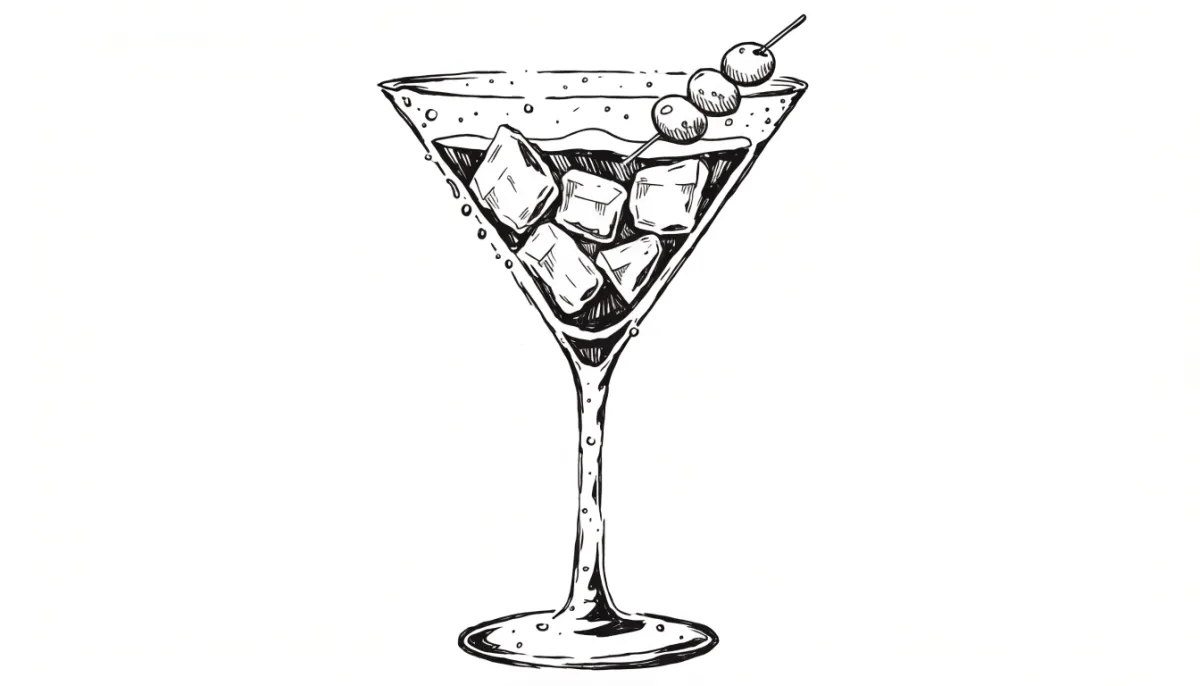
The glass hits the bar with that familiar dull clunk, frost racing up the sides like it’s trying to escape the liquid inside. First sip is ice-cold fire—gin or vodka, depending on the night and the scars you’re carrying. The vermouth whispers, the olive bites back, and for a moment the noise in your head shuts the fuck up. That’s the martini. Always has been. In 2026 it’s having a renaissance, but not the kind with foam and theater. It’s a return to something sharp, something that doesn’t apologize.
From Espresso Highs to Spirit-Forward Truths
The espresso martini had its run—creamy, caffeinated, perfect for dancing until the sun came up or pretending you weren’t exhausted. But 2026 is the hangover after that party. Industry folks are calling it the Martini Matrix or the dry martini comeback. It’s not about chasing trends anymore; it’s about a two-ingredient drink that demands you pay attention. Premium gin and vodka sales are climbing because the call matters now. People want to taste the spirit, not hide it under coffee liqueur and sugar.
Younger drinkers—Gen Z and millennials who watched their parents chase excess—are showing up earlier, ordering smaller, and treating the martini like an aperitif instead of a night-ender. Mini martinis. Flights. A couple of perfect sips instead of one sloppy pitcher. There’s wisdom in that measured indulgence. Something almost medicinal about it.
The Ritual Is the Point
Bars are obsessing over the cold now. Pre-batching, refrosting the glass halfway through, tableside carts that look like surgical theater. One spot in London is serving them at minus twenty-two Celsius without dilution—cold enough to make your teeth ache in the best way. It’s technique porn, yes, but it’s also respect. A good martini is mostly water and memory by the time it reaches your lips; the good ones make you forget that.
House vermouths, saline drops, custom blends. Bartenders treating vermouth like chefs treat stock. And the garnishes… blue cheese olives that hit umami so hard you need a second to recover. Miso-tinged twists. Seaweed-infused vodka that tastes like low tide and luxury at once. Caprese martinis with tomato water and herb cheese. The classics are still there, but the edges have gotten interesting without going full circus.
New Temples for an Old Religion
In San Francisco, Jupiter Room is gearing up to open on Polk Street this year—martini-focused, from a Michelin-starred chef pivoting hard toward pleasure instead of perfection. Expect shrimp cocktail and burgers alongside the drinks, the kind of elevated comfort that tells you they get it. New York never really let the martini die; it just got louder about it. Tableside service, inventive garnishes, spots turning the simple pour into performance without losing the soul.
The pairing game has evolved too. Martini with a few perfect bites—olives, a sliver of steak tartare, a fry crisp with aioli. It’s not small plates bullshit; it’s understanding that a strong drink needs something to ground it or it’ll knock you on your ass emotionally as well as physically.
Why It Feels Like Home Right Now
There’s a quiet exhaustion in the air after years of maximalism. People want something that cuts through instead of piling on. The martini does that. It’s cynical and romantic at once—the drink you order when you’re done pretending. When the kitchen’s closed, the shift’s over, and you just want something cold and honest while the walk-in hums in the background.
I’ve fucked up plenty of martinis in my time—too much vermouth, not cold enough, stirred when it should’ve been... whatever. The bad ones linger like regret. The good ones make you sit a little straighter, remember you’re still alive, still capable of tasting something pure.
In 2026 the martini renaissance isn’t hype. It’s correction. A reminder that sometimes the simplest things, executed without apology, are the ones that stick with you long after the buzz fades.