Supermarket Safaris: Why Grocery Stores Are the New Travel Must-Visit
By Becky Wanders
I’ll be honest: some of my most joyful travel memories haven’t happened in fancy restaurants or at famous landmarks. They’ve happened under the fluorescent lights of a foreign grocery store, basket in hand, marveling at packaging I can’t read and flavors I’ve never imagined.
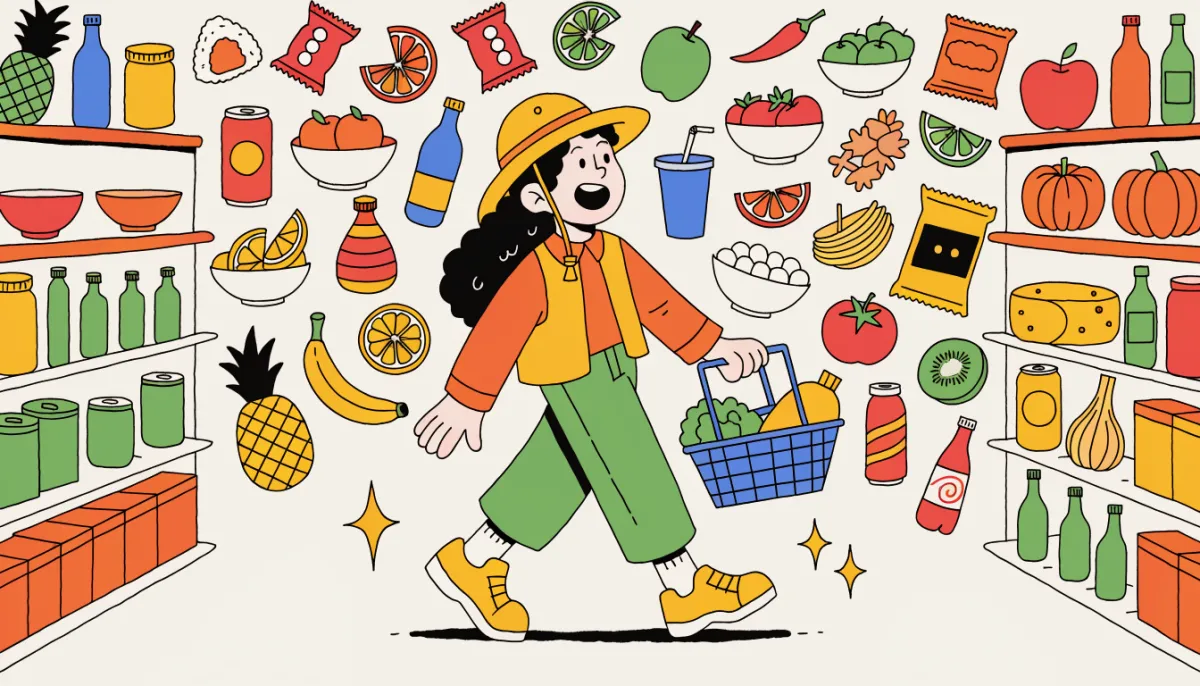
Welcome to the delightful world of supermarket safaris—also known as grocery shop tourism. Far from being a mundane errand, wandering through local supermarkets, corner shops, and convenience stores has become a playful, insightful way to experience a destination’s everyday culture.
And in 2026, this trend is having its moment.
The Numbers Behind the Aisles
According to Hilton’s 2026 travel trends report, a whopping 77% of travelers say they enjoy “grocery store tourism.” Meanwhile, nearly half (48%) cook their own meals while on holiday, turning self-catering into an adventure rather than a chore. Skyscanner’s research echoes this enthusiasm, with 35% of global travelers planning to visit local stores on their next trip. Over on TikTok, the topic has racked up more than 50 million views and posts.
This isn’t just about saving money (though it certainly helps). It’s about authenticity. Grocery aisles reveal what people actually eat day-to-day—the snacks kids beg for, the drinks that quench the local thirst, the clever packaging solutions born from necessity and creativity.
It’s food tourism stripped of pretense and served up with a side of surprise.
Japan: Konbini Culture at Its Finest
If any country has perfected the art of the convenience store, it’s Japan. The humble konbini—7-Eleven, FamilyMart, and Lawson—are temples of efficiency and delight.
Step inside almost any Japanese konbini and you’re greeted by perfectly triangular onigiri rice balls wrapped with a clever plastic strip that keeps the nori seaweed crisp until the moment you eat it. The hot food counter offers crispy fried chicken (famichiki at FamilyMart), steaming buns, and fresh sandwiches that put many cafes to shame.
My personal favorite? The seasonal limited-edition treats. One trip I found cherry blossom Kit Kats, yuzu-flavored sodas, and tiny perfect puddings in packaging so charming I kept the wrappers as souvenirs. The drink fridge alone is a wonderland of mysterious teas, sports drinks with names like Pocari Sweat, and canned coffee that actually tastes like it was brewed minutes ago.
These stores never close, accept multiple payment methods, offer clean restrooms, and even sell umbrellas when the weather turns. They’re not just shops—they’re lifelines and cultural hubs rolled into one.
Thailand: 7-Eleven as a Lifestyle
Thailand’s 7-Elevens take the concept and give it a distinctly Thai twist. You’ll find buckets of fried chicken and rice, shelves groaning with spicy shrimp chips, and an impressive selection of instant noodles that would make any college student jealous.
Don’t miss the fresh fruit section with mango sticky rice cups or the bakery counter with pandan-flavored pastries. The drink aisle is a riot of colors—think tamarind candy, basil seed drinks, and every permutation of Thai tea imaginable.
One sweltering afternoon in Bangkok, I ducked into a 7-Eleven near the Grand Palace and emerged with an armful of icy cold drinks, savory snacks, and a surprisingly excellent triangle sandwich. It cost less than a cup of coffee back home and kept me fueled for hours of temple-hopping.
Thai 7-Elevens also excel at quick, cheap meals. Many locations have microwaves and seating where locals grab a fast lunch of grilled pork skewers or noodle soups.
Italy: Supermarkets Full of Treasure
In Italy, even the ordinary supermarket feels like stepping into a gourmet paradise. The pasta aisle stretches endlessly with dozens of shapes you’ve never seen. The cheese counter overflows with Parmigiano-Reggiano at prices that make you weep with joy compared to export costs.
Look for pocket coffee—espresso shots encased in chocolate—or jars of Nutella made with less sugar than the version sold abroad. The snack section yields taralli crackers, packets of biscotti, and chocolate bars made with hazelnuts from Piedmont.
I once spent a happy half-hour in a small Coop supermarket in Florence simply comparing olive oils and balsamic vinegars. The packaging for Italian cookies alone is worth the visit—beautiful tins and bright boxes that make wonderful, lightweight souvenirs.
UK: Farm Shops and Estate Markets
For a more pastoral take, head to places like The Newt in Somerset. This beautiful estate doesn’t just have a hotel and gardens—it boasts its own working farm and bustling on-site market. Here you can buy jams, ciders, butter, and produce from the estate and nearby artisans.
It’s grocery shopping elevated to an experience. You wander through displays of locally made goods knowing exactly where everything comes from. Many other UK hotels and estates are following suit, adding farm shops that let guests take a piece of the countryside home with them.
Even regular British supermarkets offer their own delights—rows of interesting crisps flavors (prawn cocktail, anyone?), exotic chutneys, and the beloved chocolate digestive biscuits.
Tips for Your Own Supermarket Safari
Ready to try it yourself? Here are some practical pointers:
- Start small. Pick one store near your accommodation and give yourself 20-30 minutes to browse without an agenda.
- Look for local brands. Skip the international names and hunt for regional sodas, candies, and snacks.
- Read the packaging like a detective. Even if you don’t understand the language, colors, illustrations, and nutrition labels tell stories.
- Buy small quantities. Pick three to five items to try rather than loading up your basket.
- Check customs rules. Dried goods, packaged snacks, and sealed sweets are usually fine. Fresh produce, meat, and liquids often aren’t.
- Take photos. The packaging and displays make fantastic, shareable content. Just be respectful of store policies.
- Cook with your finds. If your accommodation has a kitchen, use local staples to make a simple meal. It’s the ultimate way to eat like a local.
Why This Trend Feels So Right Now
Grocery shop tourism perfectly captures the spirit of modern mindful travel. It’s affordable in an era of rising costs. It’s authentic without being performative. It’s accessible to every type of traveler—foodies, families, backpackers, and luxury explorers alike.
Plus, it’s wonderfully shareable. A well-composed photo of a colorful foreign candy aisle or an artful onigiri can light up social media feeds and inspire others to explore the ordinary in extraordinary places.
It also satisfies our growing desire to bring meaningful souvenirs home. Instead of another t-shirt or magnet, you return with flavors and stories that recreate a memory every time you open the pantry.
The Next Aisle Awaits
The next time you’re in a new city, resist the urge to head straight for the famous sights. Take a detour down the grocery aisle instead.
You might discover your new favorite snack, learn something unexpected about local life, and come home with a suitcase full of edible memories.
Travel, after all, is about more than seeing the world. Sometimes it’s about tasting it—one brightly packaged, delightfully surprising bite at a time.
Who knows? Your next great adventure might just be waiting in the snack aisle.