Steaming into Tbilisi
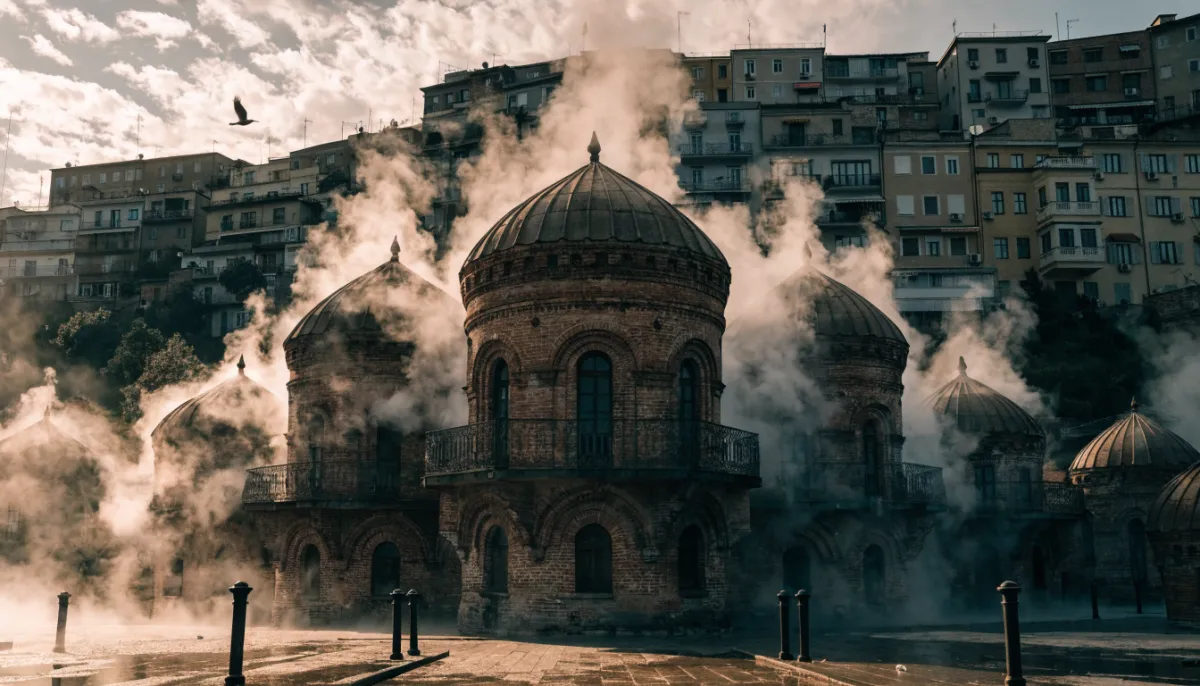
The first thing that hit me was the smell in the sulfur baths—sharp, almost medicinal, like stepping into someone else's remedy. I was in Abanotubani, the old district where the city supposedly got its start thanks to those hot springs King Vakhtang stumbled on centuries ago. The attendant handed me a rough towel that had seen better days and pointed toward a tiled room where steam hung so thick it blurred the edges of everything. I sat there soaking, listening to the low murmur of Georgian voices echoing off the walls, thinking this was as good a way as any to arrive in a place that still feels a little undiscovered.
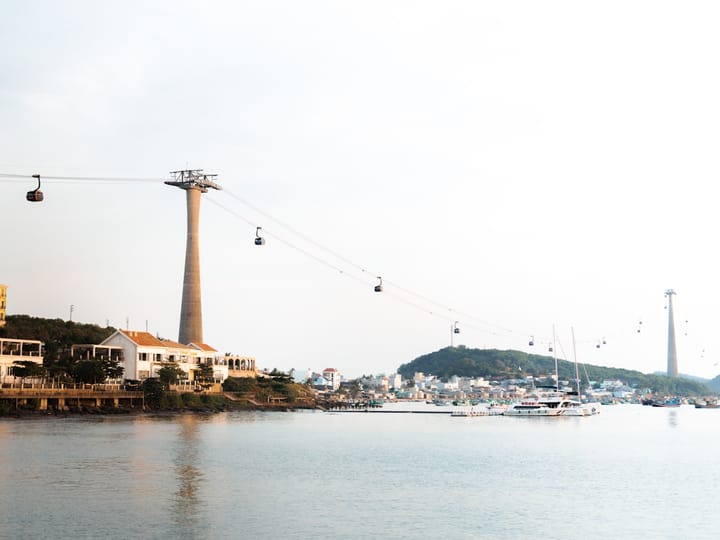
From there it was a short wander up the Betlemi Stairs, those uneven steps that lead to the Mother Georgia statue. She stands with her bowl of wine in one hand and a sword in the other. The view from up there pulls the whole jumble of rooftops and the Mtkvari River into focus: old balconies sagging under the weight of history right next to that glass-and-steel Bridge of Peace that lights up at night like a futuristic spine. It shouldn't work, the contrast, but it does. The cable car back down costs almost nothing, two lari or so, and saves your knees the argument.
Later that evening I found myself at Fabrika, this converted Soviet factory that's now half hostel, half creative hive. String lights dangled over picnic tables, people hunched over laptops or arguing about music. The craft beer was decent, nothing fancy, but the real draw was the way the crowd shifted after dark—techno pulsing from Bassiani nearby, that club in the old swimming pool where the beats feel like they're tunneling under your ribs. I didn't make it in that night; lines were long and I was already full from khinkali dumplings I'd eaten earlier, those pleated pockets of spiced meat that leak broth if you're not careful.
The food in general is sneaky like that. One minute you're grabbing churchkhela from the Dry Bridge market—those strings of nuts coated in thickened grape juice that taste like chewy candy and old-fashioned energy bars—and the next you're at a supra table where toasts go on for hours. I joined a loose gathering at a small place off Rustaveli Avenue; someone poured me a glass of amber wine from a qvevri buried in the ground somewhere east of the city. It smelled of apricots and wet leaves. They explained, between bites of khachapuri, how the clay vessels give the wine that distinctive tang. I nodded like I understood more than I did.
There's a moment on Rustaveli when the opera house lights flicker on and the avenue feels almost European, except for the faint Soviet Brutalism peeking around the corners—the monument out at Chronicles of Georgia, for instance, with its giant stone heads staring across the valley like forgotten gods. I took a Bolt ride out there one afternoon; the driver played local radio the whole way, switching between pop and some haunting polyphonic singing. The statues are eerie up close, overgrown, free to wander. I left with my shoes muddy and a stronger sense that Tbilisi doesn't polish its rough edges for visitors. It just lets you walk into them.
Mtatsminda Park was another small surprise. The funicular ride up feels like a throwback, all creaky cable and steep incline, then suddenly you're among old Soviet amusement rides and a Ferris wheel that offers another sweeping view. I bought a cheap ice cream and watched families argue over which direction to push the stroller. It was ordinary in the best sense.
What lingers isn't any single landmark, really. It's more the way the city keeps revealing small oddities—the hourly puppet show at the Gabriadze Clock Tower that draws a crowd of maybe ten people on a Tuesday, or the flea market vendors selling rusted Red Army badges next to jars of homemade adjika. It's easy to spend days here without a real plan, just following the curve of the river or the smell of baking bread. Tbilisi sits there quietly getting on with its own version of cool, one sulfur-scented soak at a time.
I still think about that first bath, how the water eased muscles I didn't know were tight from travel. The city has that effect too.