Stargazing Safaris in Northumberland, UK
By Becky Wanders
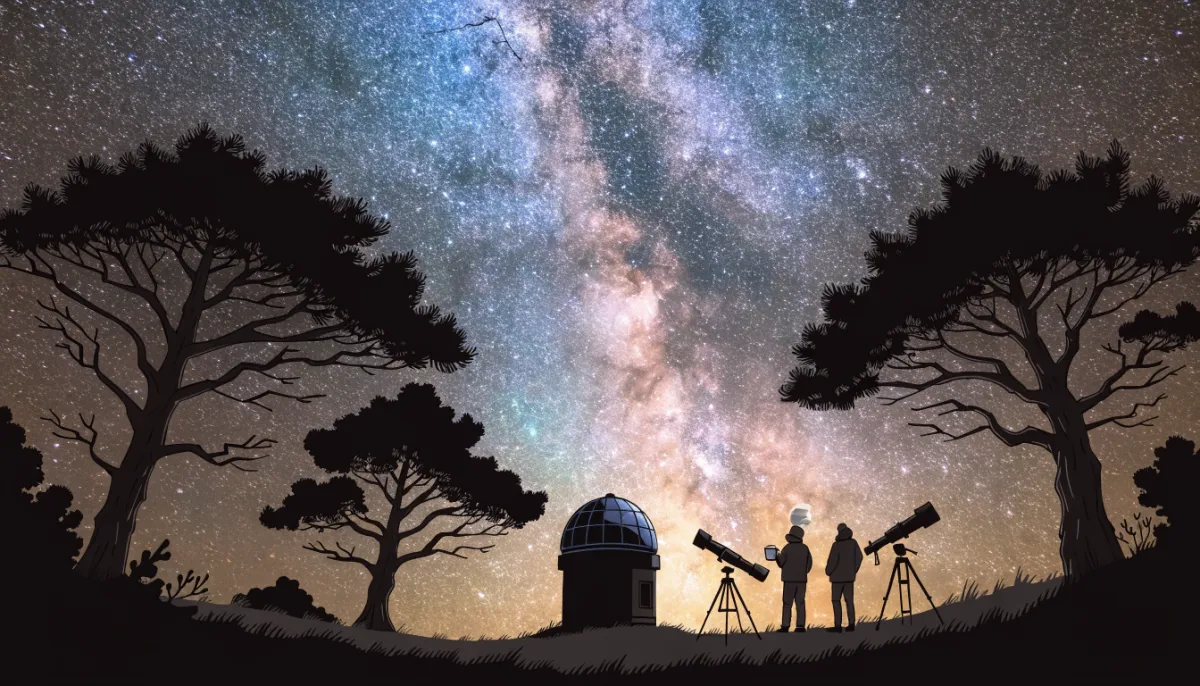
The wind whispered through the pine trees as I stepped out of the car into inky blackness. My eyes adjusted slowly, and then it hit me—a sky so thick with stars it felt like I could reach up and stir them with my finger. The Milky Way arched overhead like a river of light, and for the first time in years, I felt properly small. Welcome to Northumberland’s International Dark Sky Park, where a simple night under the stars turns into a full-blown cosmic adventure.
This corner of England, tucked up near the Scottish border, holds one of the darkest skies in Europe. The Northumberland International Dark Sky Park spans roughly 572 square miles, making it the largest Gold Tier dark sky park on the continent. Designated back in 2013 by the International Dark-Sky Association, it earns the top accolade for its minimal light pollution and active protection efforts.
In a world where most of us have never truly seen a dark sky, this place feels like a revelation. Post-pandemic, interest in astronomy and nature-based escapes has surged. Kielder Observatory hosts events year-round, with hundreds of dark sky happenings annually across the region. For 2026, with forecasts of good clear skies in the seasons ahead, it’s the perfect moment to plan your own stargazing safari.
Kielder Observatory sits at the heart of it all. A public astronomical observatory and educational charity established in 2008, it runs one of the UK’s largest stargazing programmes. On a typical evening, friendly astronomers guide groups through the wonders above using powerful telescopes. You might gaze at Saturn’s rings, Jupiter’s moons, the Pleiades star cluster, or distant galaxies. They keep things accessible and fun—think hot chocolate on cold nights, retractable roofs on cabins for that immersive feel, and explanations tailored for all ages. Kids especially love it; it’s genuine family-friendly space exploration without leaving Earth.
The observatory hosts Late Night Discovery sessions, family events, and specialist nights. They’ve welcomed over 255,000 visitors and boast thousands of glowing five-star reviews. Guests speak warmly of the knowledgeable team and that welcome mug of hot chocolate. That warmth—both literal and figurative—makes the experience memorable long after the telescopes are packed away.
While guided sessions are the star attraction, you can also go self-guided. Designated Dark Sky Discovery Sites dot the area—places like Stonehaugh Stargazing Pavilion or viewpoints around Kielder Water. Pack a blanket, binoculars, a flask of tea, and simply look up. On clear nights, the naked eye reveals thousands of stars, the misty band of the Milky Way, and even the Andromeda Galaxy, a staggering 2.5 million light years away.
Pair your celestial pursuits with daytime forest adventures. Kielder Forest is Europe’s largest man-made woodland, perfect for hiking, cycling around the vast reservoir, or spotting red squirrels and ospreys. By day you explore ancient woodlands and rugged hills; by night the same landscape transforms into a theatre for the universe.
Where to Stay and Refuel
For the full immersive experience, book one of the forest lodges or glamping options with their own stargazing setups. Kielder Waterside offers luxurious lodges and even special “star gazing pods.” Some have hot tubs from which you can watch meteors streak across the sky while soaking—talk about luxury wellness.
Nearby, options on Hadrian’s Wall combine cozy rooms, hearty pub food, and stargazing events. Expect stick-to-your-ribs Northumbrian fare—local venison, fresh fish, or a classic Sunday roast after a long day of fresh air. For camping enthusiasts, the area hosts star camps that draw astronomy lovers from across the country.
Practicalities and Tips
Northumberland rewards a bit of planning. The observatory sits in a remote spot near Kielder village, about an hour’s drive from Newcastle upon Tyne. Public transport is possible but driving gives the most flexibility for hopping between viewing spots.
Events book up quickly—reserve weeks ahead. Tickets are reasonably priced. Layers are essential; even summer nights turn chilly. Red-light torches preserve night vision, and a simple stargazing app can help identify constellations.
The best months run from autumn through early spring for the longest, darkest nights. Summer brings meteor showers and easier travel but shorter viewing windows. Always check weather and the observatory’s sky guides.
The appeal lies in the shared wonder. Dark skies are emerging as a powerful form of wellness—an antidote to constant connectivity.
As I stood there that first night, mug of hot chocolate warming my hands, listening to an astronomer explain the life cycle of stars, I felt a quiet thrill. The same sky has watched over this landscape for millennia. Now it’s inviting us to look back.
So go on—book that stargazing safari. Pack your sense of wonder, leave the phone on airplane mode as much as possible, and prepare to see the universe in a whole new light. Northumberland’s dark skies aren’t just a destination. They’re an experience that stays with you long after you’ve returned to the bright lights of home.
The stars are waiting. All you have to do is look up.
Sources
- Kielder Observatory: https://kielderobservatory.org/
- Visit Kielder Dark Skies: https://www.visitkielder.com/See-and-do/dark-skies/
- Northumberland National Park: https://www.northumberlandnationalpark.org.uk/discover-explore/things-to-do/discover-dark-skies/
- National Geographic Best Trips 2026: https://www.nationalgeographic.com/travel/article/travel-adventures-best-trips-to-book-2026
- Visit Northumberland tourism information.