Samsung SDI Pouch-Type All-Solid-State Battery Powers the Next Generation of Humanoid Robots
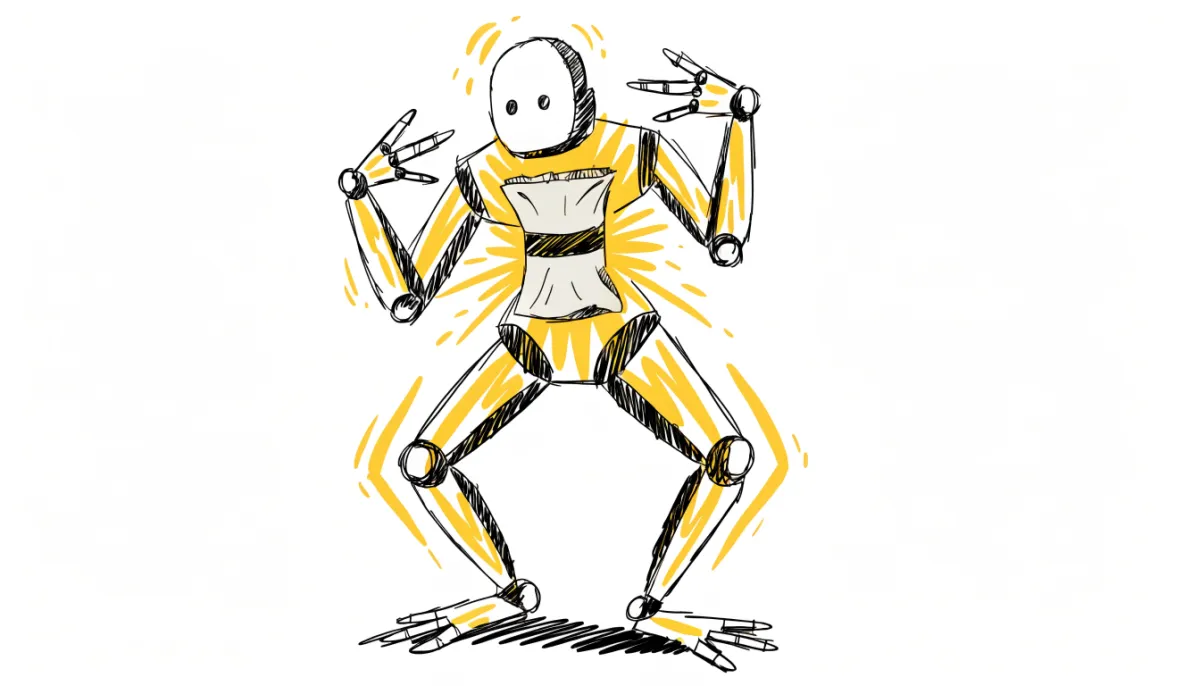
I just fired up the old Commodore 64 emulator in the basement—watching those pixelated sprites dodge and weave across the screen—while reading about Samsung SDI's latest battery prototype, and it hit me: this is the real-life power-up that could finally let humanoid robots escape the "one-hour-and-then-plug-in" trap we've been stuck in since the early days of awkward dancing prototypes.
First Public Look at a Pouch Solid-State Battery for Robots
Last week at InterBattery 2026 in Seoul, Samsung SDI unveiled a pouch-type all-solid-state battery (ASB) prototype for the first time. The pouch form factor is a purposeful shift from their prismatic solid-state cells aimed at electric vehicles. This new design targets physical AI applications—especially humanoid robots—along with drones, aviation platforms, and next-generation wearables.
The company is developing all-solid-state batteries that deliver advanced safety and high power output while using the pouch form factor to enable a lightweight design. Pouch cells are thinner and more flexible, perfect for squeezing maximum energy into the tight spaces inside a robot chassis without compromising balance or adding unnecessary weight.
Why Solid-State Matters for Physical AI
Traditional lithium-ion batteries rely on liquid electrolytes that carry inherent safety risks and can limit energy density. Solid electrolytes change the game: they promise reduced fire risk, better thermal stability, higher practical energy density in compact packages, and the ability to deliver the sudden power spikes required when a humanoid robot lifts a heavy object or quickly adjusts its balance.
Battery runtime remains one of the biggest bottlenecks for commercial humanoid robots. Many current systems are limited to 1–2 hours of active operation. Samsung SDI's pouch ASB aims to extend that operating time while maintaining stable voltage under dynamic loads—exactly what physical AI needs to move beyond demos and into real factory or warehouse shifts.
The exhibition booth carried the theme “AI Thinks, Battery Enables,” underscoring that reliable power is the foundational layer for both digital AI infrastructure and physical robots.
Timeline, Realism, and the Bigger Picture
Samsung SDI is targeting mass production of these all-solid-state batteries in the second half of 2027. That's ambitious—solid-state timelines have slipped before—but the company brings decades of manufacturing expertise and vertical integration that many startups lack.
No specific performance figures such as Wh/kg or cycle life were disclosed for the pouch prototype itself. Their prismatic all-solid-state development has achieved 700 Wh/L, which enabled concepts like 800 km EV range, showing they know how to push energy density. The pouch version focuses on the lightweight, flexible integration that robots demand.
This move diversifies Samsung SDI's solid-state roadmap beyond EVs into the emerging robotics supply chain. If successful, it could become one of those quiet foundational technologies that lets the humanoid robot hype finally deliver useful, long-running machines.
The Quiet Power-Up We've Been Waiting For
As I sit here with my reheated coffee and a signed (maybe bootleg) Rick and Morty poster staring down at me, I can't help but see parallels to classic arcade games. You grind through levels with limited lives until you grab the perfect power-up that changes everything. For physical AI, this pouch-type solid-state battery feels like that moment.
It won't come with laser light shows or celebrity hype. But if Samsung hits the 2027 target without the usual delays, engineers in labs and factories will finally have robots that can work a full shift without constant recharging or fire-safety anxiety.
Sometimes the best innovations are the ones that stay quietly in the basement, powering the show without stealing the spotlight. Here's hoping this one turns out to be exactly that kind of reliable hero—letting the machines of tomorrow do more than just dance awkwardly on stage.
Sources
- SAMSUNG SDI Unveils All-Solid-State Battery for Physical AI
- Samsung SDI to Unveil Pouch-Type Solid-State Battery at InterBattery 2026
- Samsung debuts first pouch solid-state battery prototype for humanoid robots
- Samsung SDI to debut batteries for AI humanoid robots, data centers
- Samsung SDI to unveil all-solid-state battery prototype for physical AI