Physical AI Powers the Next Leap in Humanoid Robotics
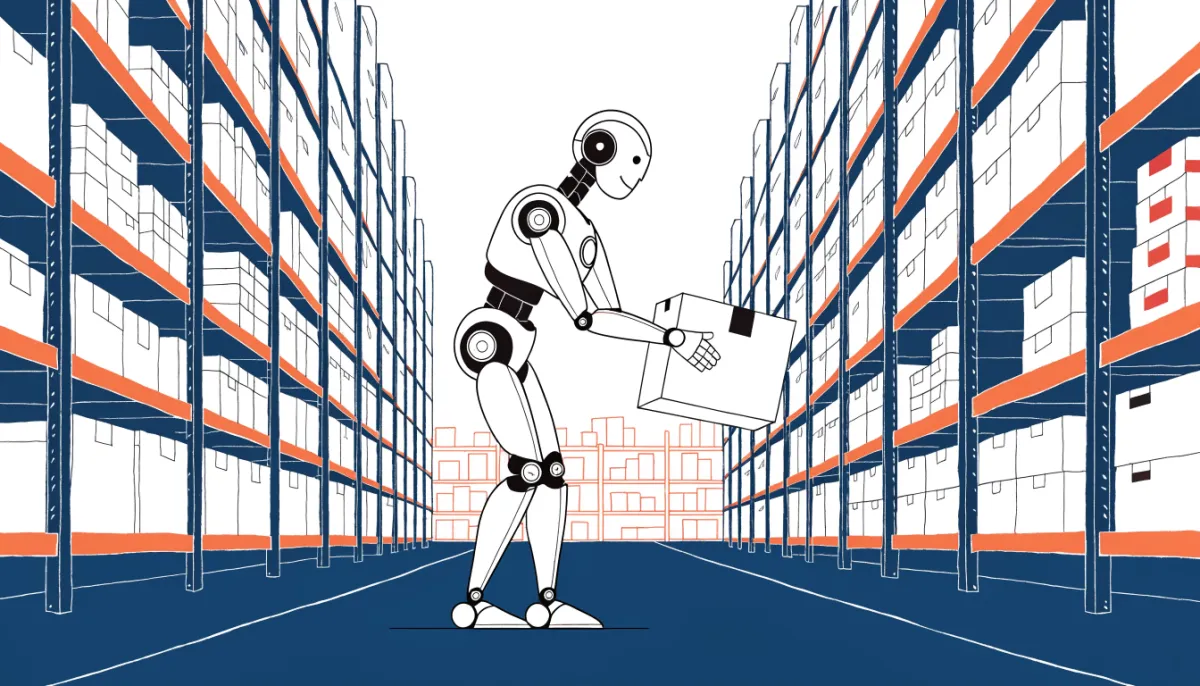
As NVIDIA GTC kicks off this week in San Jose, the spotlight is firmly on physical AI—the convergence of advanced neural networks with real-world robotics. This isn't software running in the cloud. It's intelligence that can perceive, decide, and act directly in our physical environment. Humanoid robots, once the stuff of science fiction and early BBS-era discussions on comp.robotics, are moving from research labs into factories and warehouses at an accelerating pace.
From Simulation to the Factory Floor
NVIDIA has been central to this progress. Earlier this year the company released updated GR00T models and the Cosmos world model, giving robots better spatial understanding and the ability to learn from video. At GTC, attendees are getting hands-on with how these tools scale humanoid development. The new Jetson Thor platform, combined with last week's partnership announcement with Texas Instruments, promises tighter integration of sensors and AI inference for more reliable real-world performance.
Industry Momentum and Real Deployments
Several companies are already past the prototype stage. Figure AI, Agility Robotics, and Boston Dynamics have pilot deployments in industrial settings. NEC's recent work on stress-predicting physical AI shows how these systems can move beyond simple pick-and-place tasks into more nuanced interaction. Chinese manufacturers have been especially aggressive with volume production of basic humanoid platforms.
Why This Moment Matters
What makes physical AI different from previous automation waves is embodiment. Giving AI a body that matches human form factors lets it use the same tools and spaces we do—no expensive factory retooling required. The learning flywheel is spinning faster: better simulation, more real-world data, improved models. We're seeing the same pattern that drove the PC and smartphone revolutions, only now applied to moving atoms instead of bits.
Looking Ahead
GTC this week will likely feature more announcements around open models, simulation platforms, and new hardware. The path from today's limited-capability humanoids to truly capable assistants is still long, but the foundational pieces are falling into place faster than most expected even two years ago. The early pioneers who tinkered with robotic arms in the 1980s would be amazed at how far the field has come—and how close general-purpose physical intelligence finally feels.