Okinawa, Japan: A Subtropical Escape with Ryukyu Soul
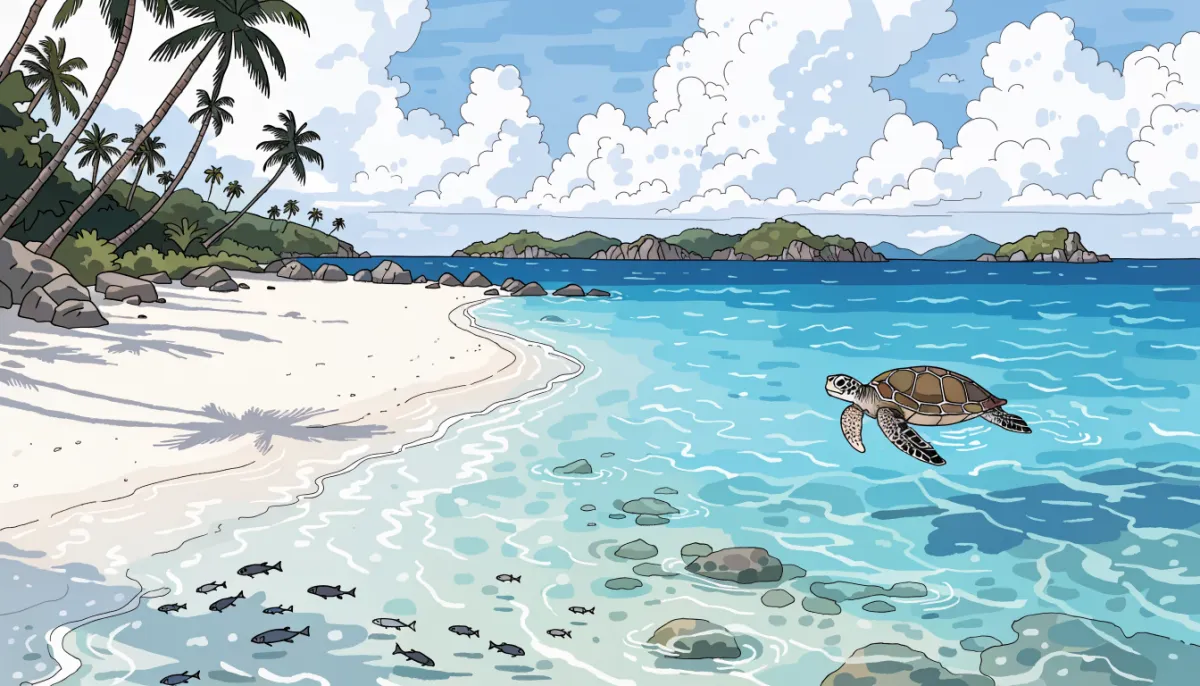
Picture turquoise water so clear you can spot fish from the ferry deck. Powder-soft sand that squeaks underfoot. The scent of salt air mixed with grilling pork and bitter melon. This is Okinawa, Japan’s southernmost prefecture, a chain of subtropical islands that feels worlds away from Tokyo’s neon or Kyoto’s temples. In 2026 it’s drawing fresh attention, landing on the New York Times’ 52 Places to Go list thanks to its distinct culture, longevity-linked food, and easy-going island pace.
A Different Kind of Japan
Okinawa was once the independent Ryukyu Kingdom, a trading hub with its own language, customs, and connections across Asia. That history still shapes daily life here. You’ll notice it in the architecture, the slower rhythm, and especially at the table. While mainland Japan is known for precision and restraint, Okinawa leans bright, bold, and deeply tied to the ocean.
Beaches and Marine Magic
The main draw for many visitors is the water. Main-island beaches like Emerald Beach offer calm swimming, but the real magic lies a short ferry ride away in the Kerama Islands. Zamami and Aka are beloved for their white-sand coves and vibrant reefs. Snorkelers often share the shallows with sea turtles, colorful tropical fish, and the occasional reef shark in these protected national park waters.
Churaumi Aquarium on the main island houses one of the world’s largest whale sharks in a massive tank that feels almost oceanic. It’s a gentle introduction for families before heading out to swim with the real thing.
Food Worth the Journey
Okinawan cuisine is famously tied to the region’s reputation for long life. Staples include goya champuru (bitter melon stir-fried with tofu, eggs, and pork), rafute (slow-braised pork belly), and purple sweet potatoes. Fresh seafood abounds, often simply grilled or served raw. Don’t leave without trying a glass of awamori, the local spirit distilled from rice.
Street markets in Naha, especially around Makishi, burst with color and samples. It’s a fun, low-pressure way to taste your way through the island’s flavors.
Culture and Calm
Reconstructed Shuri Castle in Naha gives a glimpse into the Ryukyu royal past (the UNESCO site was rebuilt with traditional methods after a 2019 fire). Smaller villages offer forest hikes, pottery workshops, and the chance to experience the laid-back “Okinawa time.”
The islands also carry sobering history from World War II. The Peace Memorial Park and Himeyuri Monument provide thoughtful context without overwhelming a sunny holiday.
When to Go and How to Plan It
November through April brings drier, milder weather ideal for beach days and hiking. Summer means festivals and warmer water but also more rain and humidity. A five-to-seven day trip works well: a couple of days exploring Naha, a few on the main island’s central or northern coasts, and at least one overnight in the Keramas.
Flights land in Naha. Rental cars are the easiest way to get around the main island; ferries serve the smaller ones. English is limited outside tourist areas, but friendliness makes up for it.
Okinawa doesn’t shout for attention. It simply invites you to slow down, taste the ocean, meet the turtles, and maybe pick up a few habits that help you live a little longer. In a world of bucket-list frenzy, its quiet confidence feels refreshing. If you’re looking for a Japan trip that trades bullet trains for beach roads and suits for swimsuits, 2026 might be the perfect year to answer the call.
Sources
- 52 Places to Go in 2026
- Two Japan Spots on New York Times 2026 Travel List
- VISIT OKINAWA JAPAN | Official Okinawa Travel Guide
- Kerama Islands - Okinawa's Snorkeling Paradise
- [20 Epic Things to Do in Okinawa, Japan [2026 Guide]](https://www.nomadasaurus.com/things-to-do-in-okinawa-japan/)