Morning Beat Travel: Joshua Tree National Park
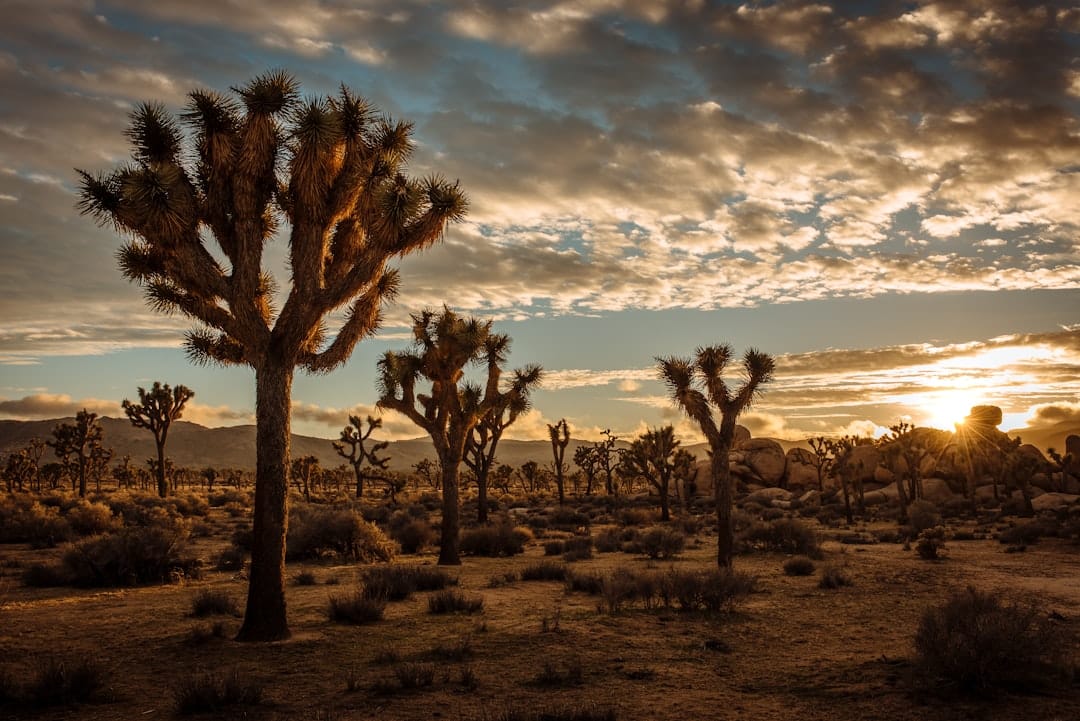
The thing about Joshua Tree is that it sneaks up on you. You're driving through the kind of California landscape that makes you think, 'Well, this is barren,' when suddenly these strange, twisted trees start appearing, looking like something Dr. Seuss might have drawn after a particularly rough night. They're not actually trees I learned—yuccas, technically—but that doesn't stop them from feeling like characters. I was there in early evening, the light just beginning to soften, and the first thing that struck me was the quiet. Not silent, exactly, but a kind of spacious quiet where you can hear your own thoughts settling down. I'd come because everyone seemed to be talking about it, calling it a fun destination, which felt like an odd thing to say about nearly 800,000 acres of desert. But fun, I discovered, looks different out here. It's not about rollercoasters; it's about discovery.
I started with what everyone does—the rocks. They're everywhere, these massive, rounded formations that look like giants dropped their marbles. At Hidden Valley, a one-mile loop that feels like walking through a natural sculpture garden, I watched climbers inch their way up sheer faces, their movements deliberate and slow. There's a patience to the place that's contagious. You stop rushing. You notice things: how the light changes the color of the stone from pale gold to deep rust, how the Joshua trees cast long, finger-like shadows. I'm not a climber, but the bouldering—low-to-the-ground scrambling—feels accessible even for someone whose main exercise is walking to the coffee shop. The kids I saw were better at it than the adults, of course, scrambling up like little lizards. Their laughter echoed against the rocks, and it occurred to me that this is what they mean by fun here: unplugged, physical, simple. It's the kind of play that makes you feel ten years old again, in the best way.
As the sun dipped, I drove to Keys View, where you can see all the way to the Salton Sea and trace the line of the San Andreas Fault. The scale of the place hits you then—the vastness of it. But the real magic happens after dark. Joshua Tree is an International Dark Sky Park, which means the stars aren't just visible; they're overwhelming. I found a spot away from the parking areas, spread a blanket, and lay back. The Perseids meteor shower peaks here in August, with a hundred shooting stars an hour, but even on an ordinary night the Milky Way is a thick, glowing river across the sky. You forget how many stars there are until you're someplace that lets you see them. A few other people were out too, their voices hushed, pointing out constellations. It's a shared wonder, and there's something deeply fun about that—collective awe. Later, back at my car, I brushed a few desert bristles from my clothes and thought about how the park manages to be both grand and intimate at once. The next morning, before the heat set in, I walked through the Cholla Cactus Garden at sunrise, when the light makes the spines look like they're lit from within. Each cactus seemed to be holding the morning light differently. I drove out past Pioneertown, a 1940s movie set turned into a living community with a barbecue joint that hosts bands, and I understood why this place draws people. It's not about escaping modern life so much as finding a different rhythm—slower, more attentive, full of small surprises. The fun here isn't loud; it's quiet. It's in the way a shadow falls, in the cool touch of granite under your palm, in looking up at a sky so full of stars it feels like a gift.