Madeira: The Hawaii of Europe Awaits Your Next Adventure
By Becky Wanders
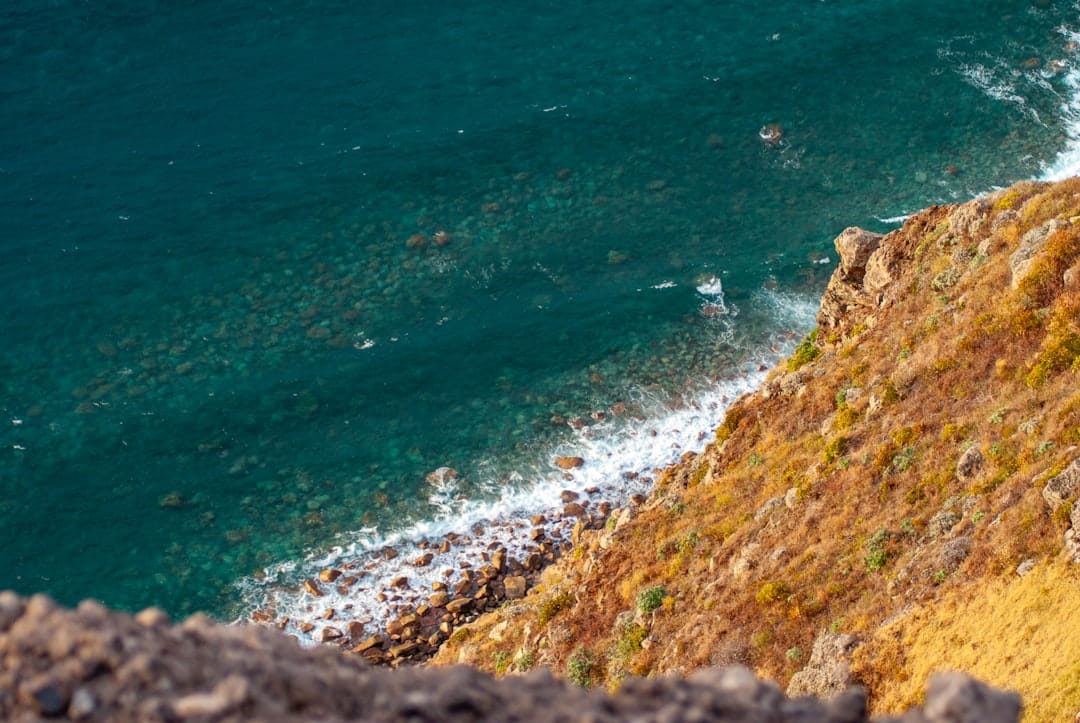
Picture this: you’re standing on a rugged cliff, the Atlantic Ocean sparkling far below like a turquoise jewel, while a gentle breeze carries the scent of wildflowers and distant sea salt. Waves crash against volcanic rocks, and behind you, terraced hills burst with green as far as the eye can see. No crowded resorts or high-rise hotels in sight—just raw, dramatic beauty that feels like it was painted by nature herself.
This is Madeira, Portugal’s Atlantic gem, affectionately dubbed the “Hawaii of Europe.” And yes, the nickname fits. In 2026, Madeira has officially claimed the title of the world’s top trending destination according to Tripadvisor’s Travellers’ Choice Awards, thanks to a flood of glowing reviews and a surge in accessibility. If you’re dreaming of dramatic landscapes, outdoor thrills, and that perfect mix of adventure and relaxation without the tropical price tag or jet lag extremes, it’s time to add this Portuguese archipelago to your list.
Madeira sits about 600 miles off the coast of Portugal in the Atlantic, part of a volcanic archipelago that includes the smaller island of Porto Santo and a handful of uninhabited rocks. Discovered by Portuguese explorers in the 15th century, the islands were quickly settled and turned into a hub for sugar production and, later, wine. The famous Madeira wine—a fortified, often sweetly nutty sip that improves with age—became a staple of European tables and even crossed the seas with early American colonists.
But it’s the landscape that truly steals the show. Formed by volcanic fire and carved by relentless ocean winds and rain, Madeira’s interior is a lush wonderland of deep valleys (called “currals”), sheer cliffs, and misty forests. Levadas—centuries-old irrigation channels turned into walking paths—snake through the terrain, offering some of the most scenic hikes on the planet. The climate stays mild year-round, hovering in the 60s and 70s Fahrenheit, which means you can chase waterfalls in January or swim in natural lava pools in December.
When you arrive, probably landing at the daringly perched airport in Funchal (the runway built on stilts over the ocean is an engineering marvel), the first thing you’ll notice is the color. Everything feels vivid. The capital city Funchal tumbles down hillsides in a cascade of whitewashed houses with red-tiled roofs, bright tropical blooms, and markets overflowing with passionfruit, bananas, and sweet tomatoes.
Head out of the city and the real magic begins. Lace up your hiking boots for the trails of Madeira Natural Park. One of my favorite routes (imagined from many happy travelers’ tales) follows a levada through ancient laurel forests, where the air feels enchanted and moss carpets every rock. You might emerge at a viewpoint overlooking the ocean, heart pounding from the climb and the sheer scale of it all. For something more exhilarating, try the Pico do Arrieiro to Pico Ruivo hike. It’s a ridgeline walk that feels like strolling across the spine of the world, with clouds often swirling below your feet.
Don’t miss the natural swimming pools at Porto Moniz on the northwest coast. Volcanic rock has formed protected tidal pools where the water is clear, refreshing, and perfectly safe for a dip while watching the wild Atlantic roar just beyond the barriers. It’s the kind of place where you laugh out loud at how ridiculously beautiful a simple swim can feel.
In the evenings, wander through charming villages like São Vicente, tucked into a verdant valley with the ocean sparkling in the distance. Grab a plate of fresh seafood—grilled limpets (lapas) with garlic butter, or espetada, beef skewers hung on laurel branches and cooked over an open flame. Pair it with a glass of local wine, perhaps a crisp Verdelho or the famous sweet Madeira. The food here celebrates the ocean and the land in equal measure, and portions tend toward generous, perfect for hungry explorers.
Families love Madeira for its variety: kids can splash in the pools, teens can try coasteering or canyoning, and everyone can enjoy the cable car rides that whisk you from Funchal’s harbor up to the botanical gardens or the Monte Palace. For a dose of old-world charm, take a ride on one of the traditional wicker toboggans—wooden sleds pushed by men in white uniforms and straw hats as they zip you down the steep streets from Monte back toward Funchal. It’s part thrill ride, part living history, and completely delightful.
What makes Madeirans special is their warmth. Visitors consistently rave about how genuinely friendly and helpful locals are—going above and beyond with directions, restaurant recommendations, or even sharing a story over a glass of poncha, the island’s potent rum, honey, and lemon drink. It gives the place a soulful, welcoming feel that many popular destinations have lost.
Right now, Madeira is having its well-deserved moment in the sun. Increased flight routes, especially from the UK and other European hubs, have made it easier than ever to reach. Yet it still feels wonderfully uncrowded compared to more famous island escapes. The combination of epic nature, mild weather, excellent food and wine, and that adventurous-yet-relaxed vibe has travelers of all ages returning home with stars in their eyes.
Practical tips? Pack layers—even in summer, higher altitudes can be cooler and misty. Good walking shoes are non-negotiable if you plan to hike. Renting a car gives you the freedom to explore at your own pace, though the roads are winding and require attention. If you prefer not to drive, guided tours and taxis work well. The best time to visit is pretty much any time, but spring brings wildflowers in abundance, while summer offers the warmest swimming weather.
As your plane banks away from the island, you’ll likely find yourself already planning a return trip. Madeira doesn’t just offer a vacation—it offers a reminder of how thrilling our planet still feels when you get off the beaten path and let nature show off.
The “Hawaii of Europe” isn’t hype. It’s a place that delivers wonder with every turn in the trail, every bite of fresh fish, and every sunset over the Atlantic. In 2026, there’s no better time to discover why so many travelers are falling head over heels for this Portuguese paradise.
Sources
- Tripadvisor Travellers’ Choice Awards 2026 coverage (via Time Out)
- Travel + Leisure reporting on trending destinations
- Condé Nast Traveler best places to go 2026 lists