Finding the quiet corners of Polignano a Mare
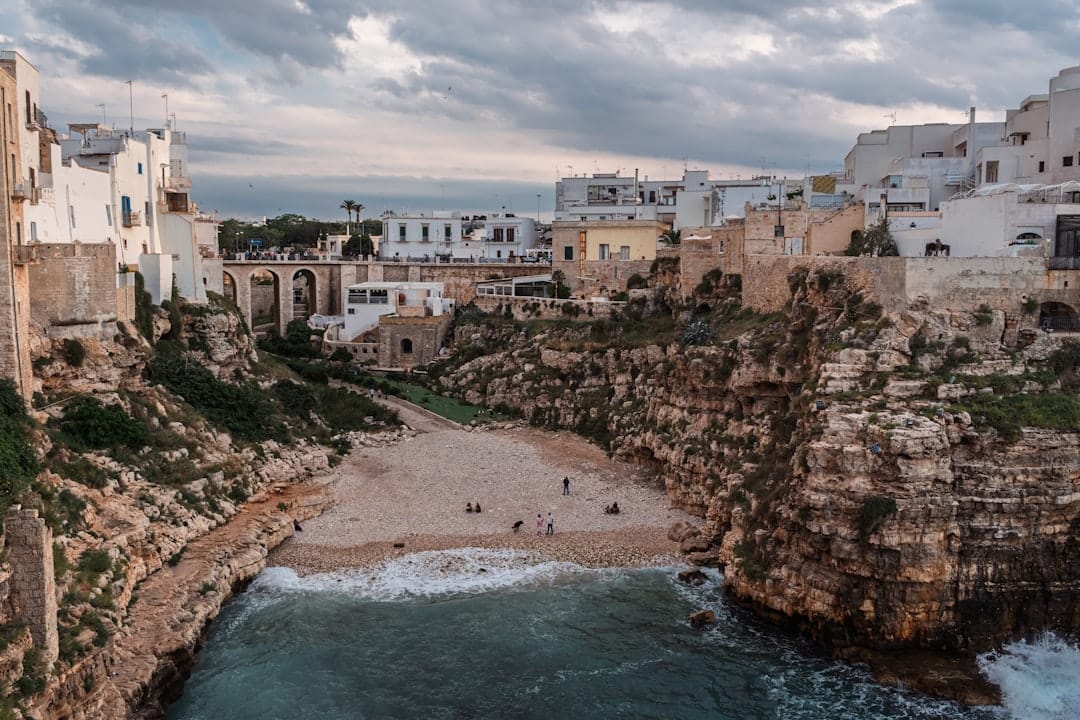
I still remember the first time the bus from Bari dropped me off near the edge of town. The driver just pointed vaguely toward the sea like that was all the directions anyone could need. My shoes were already dusty from the walk up, and the late afternoon light was making every whitewashed wall look freshly painted. Polignano a Mare doesn't announce itself. It sits on its limestone cliffs about thirty kilometres south of Bari, collecting admirers who have grown tired of the usual Italian stops.
What drew me in wasn't the famous cove or the sea caves right away. It was the small trouble of finding a decent coffee at the wrong hour. I landed in a place with a worn counter where the barista made me a caffè speciale without hesitation, that blend of espresso, amaretto and lemon peel that lands somewhere between bold and slightly ridiculous. I sat on a plastic chair outside, sipping it while a pack of teenagers argued over who would jump off the rocks next. One kid kept rehearsing his form on dry land, as if the Adriatic owed him style points. The drink was sweet enough to shorten my life by a day, but I kept going back for another sip.
The old town pulls you along through narrow alleys that feel more accidental than designed. Faded lines of poetry by Guido il Flâneur mark the walls, and you find yourself reading snippets while pretending you're not lost. The Chiesa Matrice dates to 1295 and sits there quietly, as if it has watched every chapter from Greek traders to Normans to the later crowds that arrived after Lama Monachile went viral. I liked that the church didn't compete with the view. It simply waited for people to step inside, the cool stone a relief from the heat.
Down at Lama Monachile, the pebble beach tucked beneath an old Roman bridge, the water turns that vivid turquoise you think must be exaggerated until you dip a hand in. The bottom is rocky, so sea shoes are no empty suggestion. I watched a woman lower herself in slowly while her husband filmed from the cliff above like it was a major event. Swimmers called jokes up to him in Italian that I only half caught, their laughter bouncing off the limestone. Summer brings the crowds, but even then the play of light on the water makes them feel temporary. I went early one morning when the pebbles were still cool; the only other soul was an older man swimming slow laps as though the sea belonged to him alone.
A boat tour is worth doing once, touristy or not. We chugged along the coast in a small motorboat while the guide pointed out Grotta Palazzese, home to that cave restaurant that once charged eye-watering prices and drew mixed reviews on the food. Our captain killed the engine near another cave mouth and let the swell carry us inside. The walls dripped, and the light turned everything blue-green. One passenger jumped in for a swim and came up gasping at the cold. I stayed aboard, happy just to watch the water work against stone that centuries had shaped the same way. The cave has reopened with a new chef and better notices, though I suspect the setting still outshines the plate.
Meals in Polignano stay straightforward and very good. Fresh seafood on the terrace at Trattoria Il Grottone that hangs over the water, or the unassuming Pescaria with its oversized sandwiches stuffed with whatever came off the boats that morning. Gelato from Super Mago del Gelo turned into a daily habit, even when the Adriatic wind made eating something frozen feel a little absurd. One evening I sat at a small table with a view of the Domenico Modugno statue, the singer frozen mid-gesture with the sea behind him, and realized how the town manages to feel both made for visitors and completely unbothered by them.
His statue stands on the promenade, arms wide as if he might lift off with that famous song, and somehow it works. The Lungomare path along the cliffs passes a small contemporary art museum and plenty of viewpoints, but I preferred settling on a bench and watching the fishing boats return at dusk. The light here changes everything. What looks dramatic at noon softens toward melancholy by evening, the sort of shift that makes you forget you are supposed to be gathering stories.
I left with sea salt in my hair and the feeling I had only brushed the surface. Polignano isn't chasing the next big thing, though searches for it keep rising. It has its noisy days, especially when the Red Bull cliff divers turn the rocks into a show, but mostly it simply stays itself. You can still find a quiet corner if you pick the right hour, where the coffee is strong, the water cold, and the poetry on the walls asks nothing of you. Some places put on a performance. This one reminds you it was here long before you arrived and will remain long after you are gone.