Days in a Northern City
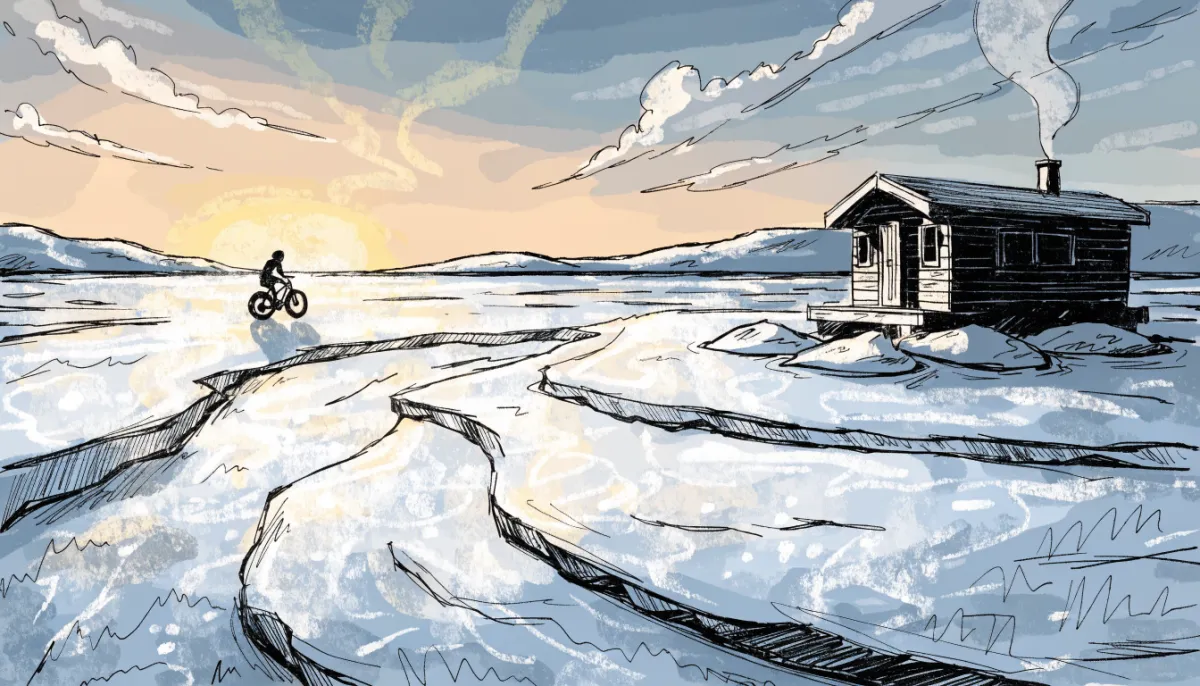
I was standing on the frozen edge of the Bothnian Bay one February afternoon, steam rising from a floating sauna behind me, when the low winter sun turned the ice into a sheet of pale gold. The air tasted sharp and clean, like metal and pine. A few locals glided past on fatbikes, laughing at something I couldn’t hear. I had come to Oulu chasing the idea of a city that was suddenly on everyone’s list, but what I found felt smaller and more human than the headlines.
Memories of the Opening
The European Capital of Culture year had launched earlier in January with a three-day opening festival that pulled in over 250,000 visits across two hundred events. The president came, the city centre turned into one big festival village of concerts, ice hockey, snow parties and art installations. By the time I arrived the crowds had thinned, but the energy lingered in the form of new exhibitions at the Oulu Art Museum and a general sense that the town was still smiling at itself.
The theme, Cultural Climate Change, runs through the programme with a quiet seriousness—Sámi opera, climate-themed public art trails, tech-infused installations that ask what it means to live this far north in a warming world. Yet the place never feels preachy. The quirkiness that has always defined Oulu is still very much present.
Music on Ice and Sauna Time
In late February the Frozen People festival took over the sea ice at Nallikari with electronic music and northern art. I missed the main night but caught the quiet daytime setup—stages rising from the snow, cables snaking across the white expanse like strange modern runes. The idea of dancing on the frozen bay feels properly Oulu: half mad, half poetic.
Most days, though, I kept things slower. I rented a bike and followed the extensive network of paths that weave through the city and out into the forests. The cold was dry and manageable if you dressed properly; the Finns pedal everywhere regardless of the temperature. In the evenings I joined locals at one of the community saunas by the river, alternating between the heat and a quick, gasping plunge into an ice hole. Nothing resets the mind quite like that shock followed by the rush of warmth when you step back inside.
Simple Food and Open Skies
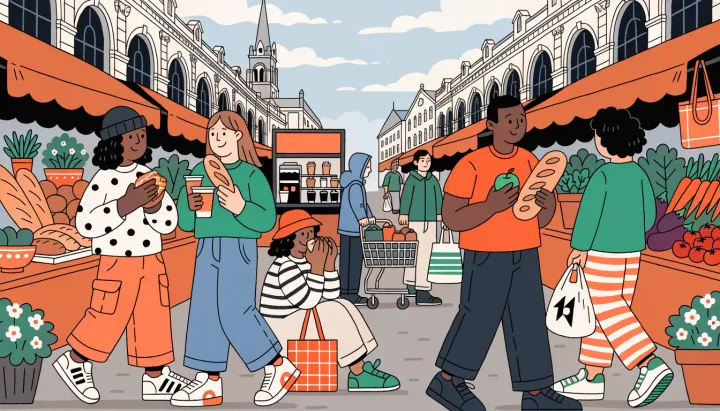
Food in Oulu is rooted in what grows or swims nearby. At the market hall I tried a simple salmon soup that tasted of dill and the sea, and picked up cloudberry tarts that balanced tart and sweet in the most satisfying way. Reindeer made appearances too, but never felt touristy—just honest northern eating.
At night the sky occasionally rewarded patience. I joined a small aurora chase group that drove a short distance out of town. We didn’t have to wait long. Green curtains shimmered overhead while the temperature dropped and our breath hung in visible clouds. There’s something humbling about standing under that kind of light after a day of gentle human-scale pleasures.
What Stays With You
Oulu isn’t flashy. It’s compact, walkable, and genuinely friendly in that reserved Nordic way. You can reach proper wilderness in minutes, yet still find a good espresso or a contemporary art show. The programme has brought new hotels, more attention, and a burst of creative momentum, but it hasn’t changed the essential character of the place.
I left with the memory of that golden ice, the taste of cloudberries, and the quiet satisfaction of having found a corner of Europe that feels both contemporary and ancient at the same time. The kind of destination you don’t brag about, but quietly recommend to friends who like their travel a little slower and a bit further north.