Chiriquí Province: Panama's Rising Nature Escape
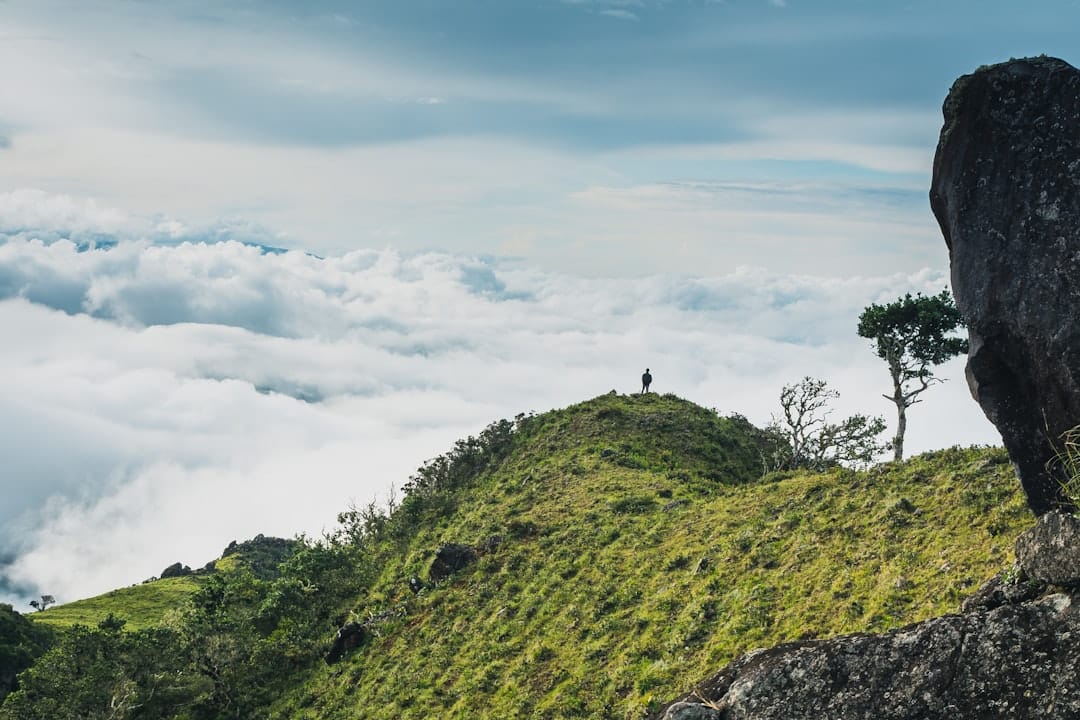
Western Panama's Chiriquí Province feels like a well-kept secret that is finally getting its due. Featured in Condé Nast Traveler's best places to go in 2026, the region delivers a compelling mix of cloud forests, volcanic peaks, coffee country, and Pacific islands. Travelers looking for immersive nature without the crowds are taking notice.
Why Chiriquí Matters Now
The province sits about 300 miles southwest of Panama City. It offers access to La Amistad International Park, a vast UNESCO World Heritage site shared with Costa Rica, and the Gulf of Chiriquí National Marine Park. New infrastructure, including a planned high-speed rail link from Panama City to David that aims to cut travel time to under three hours, is set to make the area easier to reach while preserving its low-key character.
Luxury operators and hotels are responding. Black Tomato is expanding trips with snorkeling, guided hikes, and whale-watching excursions that include private island lunches. Isla Palenque, an eco-resort on its own island, plans to add new villas with private pools and funicular access in 2026 and 2027.
Highland Adventures Around Boquete
Many visitors base themselves in Boquete, a charming highland town with a cooler climate perfect for outdoor activity. The town sits in the foothills of Volcán Barú, Panama's highest peak at 3,474 meters. The hike to the summit is challenging – roughly 27 kilometers round-trip from the Boquete side – and often starts in the early hours so hikers can catch sunrise. On a clear day, the reward is views of both the Pacific and Atlantic oceans.
Shorter options include the Lost Waterfalls Trail, a steep 3.4-kilometer path through jungle to three cascades, and the Sendero Los Quetzales, known for birdwatching. Coffee tours at local fincas let visitors follow the journey from cherry to cup, with Chiriquí's volcanic soil producing some of the world's most prized Geisha beans.
Coastal and Marine Discoveries
Down at the Pacific coast, the Gulf of Chiriquí beckons with its marine park, coral reefs, and scattered islands. Humpback whales migrate through from July to October, drawing boat tours from ports like Boca Chica. Snorkelers and divers encounter colorful fish, turtles, manta rays, and dolphins among the mangroves and reefs.
Deserted beaches and eco-lodges offer castaway vibes. The area blends wildlife viewing with relaxed days that feel far from the usual tourist circuits.
Practical Tips for Visiting
The dry season from December to April brings sunnier days and is ideal for hiking and general travel. Whale watching peaks in the wetter months of July to October. Access currently involves flying into David or taking a long drive or bus from Panama City. David serves as the main gateway, with Boquete about an hour away by road.
Prioritize operators that support conservation and community tourism. Budgets here remain reasonable compared to more developed destinations – simple rooms, local meals, and transport are accessible without luxury prices.
A Place That Rewards Curiosity
Chiriquí delivers the kind of travel that lingers: the scent of coffee drying in the sun, the mist in the cloud forest, the unexpected sight of whales offshore. As new rail service and select eco-resorts arrive, it offers a window into how thoughtful development can coexist with pristine landscapes. For travelers who value substance over spectacle, this corner of Panama is worth the journey.