A Resignation Over the Strikes Near the Strait of Hormuz
The letter was blunt. Joe Kent, director of the National Counterterrorism Center, submitted his resignation on Tuesday, citing disagreement with the ongoing military actions against Iran. In it, he argued that Iran had presented no imminent threat warranting the escalation, and that external pressures, particularly from Israel, had influenced the decision to strike sites near the Strait of Hormuz.
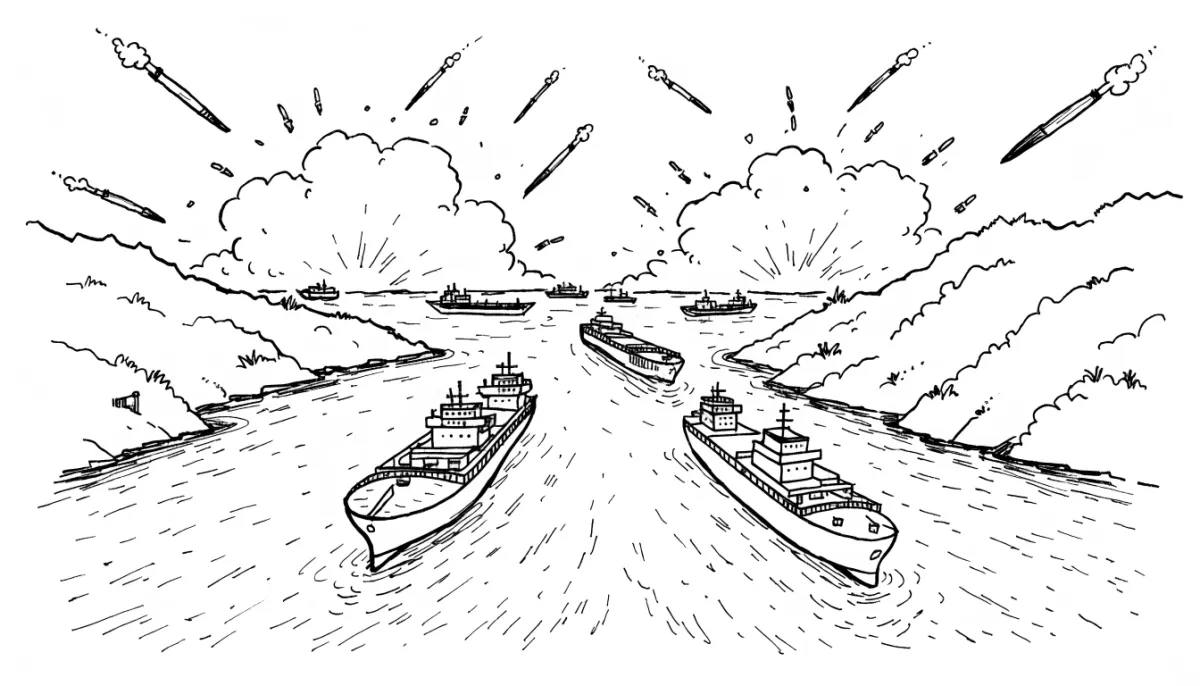
The strikes occurred amid a partial closure of the strait, a narrow passage carrying about one-fifth of the world's oil. American and Israeli forces hit Iranian missile sites there as part of a campaign that started earlier this month. Iran fired back with missiles at Tel Aviv, some carrying cluster munitions, from what reports in the region describe.
Brent crude jumped more than two percent right away, nearing ninety-eight dollars a barrel. Shipping lanes slowed, a few airlines pulled flights to the Gulf, and the usual ripple effects followed—higher fuel and goods prices at a moment when many families are still wary of inflation.
In Washington, President Trump called the operations necessary to clear the strait and took a shot at NATO allies for offering too little help. He described it as a limited move, not the start of something larger. Defense Secretary Pete Hegseth backed him up, framing Iran's response as a sign of weakness.
Kent's exit, though, brought the internal cracks into view. His letter suggested the administration was being pulled into a fight that didn't line up with American priorities. Trump pushed back, labeling Kent soft on security. It fits a pattern of quiet disagreements showing up in other recent decisions.
That same day the Senate Intelligence Committee held its hearing on global threats. Directors Tulsi Gabbard, Kash Patel, and John Ratcliffe were scheduled to testify, giving senators a chance to dig into the intelligence that led to the strikes. The questions about threat levels, allied input, and the danger of things widening were hard to avoid.
Beyond the buildings in Washington, the uncertainty spreads. Iran has warned of more attacks on energy targets. There are unconfirmed reports of Russian help with Iranian defenses. Events have moved fast, leaving little space for second thoughts.
These situations in the Middle East tend to follow old patterns: worries over energy routes, the push to limit Iranian reach, and the domestic politics that color how any administration talks about it. A resignation like Kent's stands out because it cuts through the usual talking points.
It's still too soon to know whether this stays contained or turns into something longer. Oil traders will keep their eyes on the strait. Lawmakers will pore over the briefings. For the moment, the costs—human, economic, political—are what people are weighing, in a region where tensions have been building for years.