A City That Eats Without Pretending
The first time I stepped off a plane in Melbourne the air smelled like wet concrete and coffee. Not the burnt, corporate kind. Real coffee, the kind that makes you pause on a street corner just to finish the last bitter sip. That was years ago. This time it was different. I arrived with the news that some survey had named it the world’s best city for food and drink, and I wanted to see if the place still felt honest under all that praise.
The Weight of the Crown
Twenty-four thousand people answered the call for Time Out’s annual survey. Melbourne came out on top with a food and drink score of 95 out of 100. Shanghai sat right behind it. London, Paris, New York trailed somewhere further down. The numbers are tidy on paper, but numbers never tell you why a city earns its appetite. In Melbourne the why is stitched into decades of quiet arrivals. Waves of immigration since the nineties turned laneways into kitchens. Greek, Vietnamese, Italian, Lebanese, Chinese, Ethiopian. No single story dominates. The city just keeps swallowing influences and spitting them back out tasting better than before.
What the New Spots Actually Feel Like
Queen’s Wharf opened with more than twenty fresh venues and suddenly the conversation shifted again. I walked through one of them at dusk, a place where the lighting was low and the menu leaned hard into local produce. Wattleseed in the sauce, finger lime on the fish. The plate arrived and the first bite was bright, almost shocking. Nothing about it felt borrowed or performed. Later I sat at a tiny Thai joint in a back alley off Flinders Lane. The tables were sticky, the music too loud, and the curry made my eyes water in the best way. No one was taking photos of their food. They were too busy eating it.
Markets, Cafes, and the Everyday
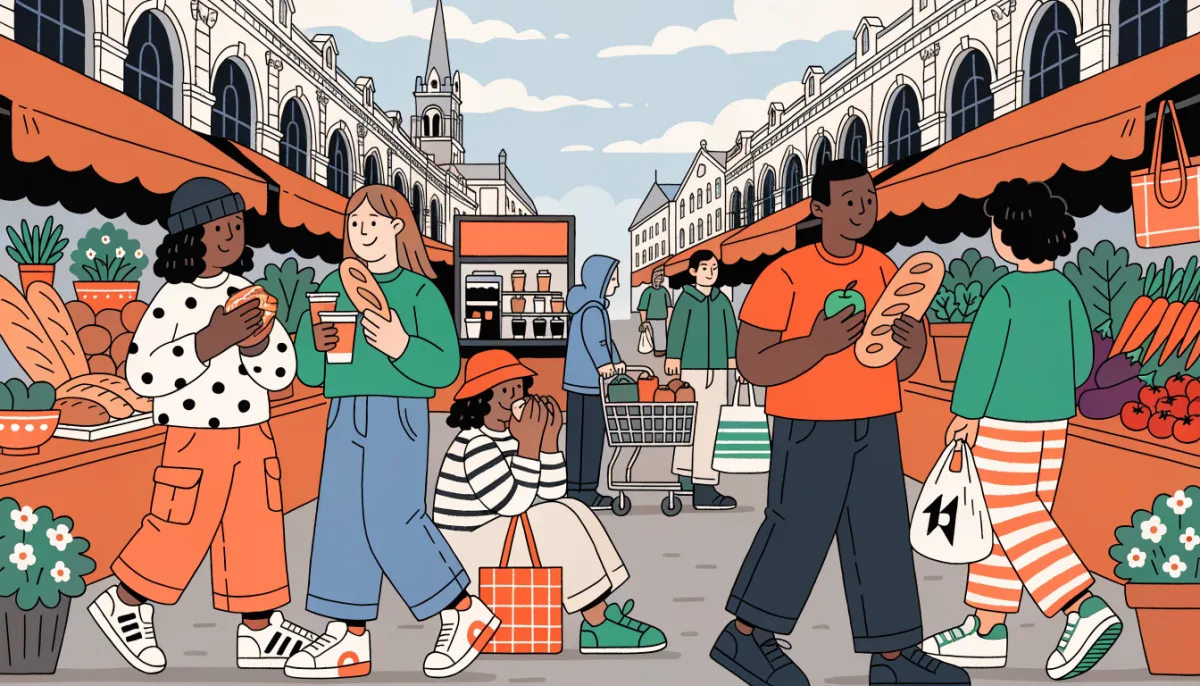
Queen Vic Market still anchors the mornings. I got there early enough to watch the butchers sharpen their knives and the bakers pull trays of sourdough from the ovens. The scent of roast chicken and fresh flowers mixed under the iron roof. Five hundred cafes scattered across the city keep the same rhythm. Some are polished, most are not. You find your stool, order a flat white, and the barista remembers how you take it without asking. That small continuity matters more than any list.
Festivals roll through the calendar, three hundred of them a year by some counts. Food trucks, night markets, long tables set up in laneways. The city treats eating like breathing. Necessary. Shared. Sometimes loud, sometimes solitary. Both are acceptable.
The Quiet Contradictions
It is not a perfect food city. Rents are rising. Some old favorites have closed. The hype can feel exhausting if you let it. But the best meals I had were never in the newest rooms. They were in the suburbs, in a small Ethiopian place where the injera was spongy and warm, in a Greek taverna where the owner poured retsina and argued about football. Those places don’t chase trends. They just keep feeding people who need to eat.
Affordability still separates Melbourne from New York or London. A solid meal won’t cost you a day’s wages. Flights from the States run around a thousand dollars. People keep showing up.
Why It Still Matters
I ended the trip back where I started, nursing a last coffee on a cold morning. The survey will be forgotten in a year or two. Another city will claim the top spot. But the laneways will still smell of garlic and soy and fresh bread. The markets will still open before dawn. Someone somewhere will still be coaxing flavor out of whatever arrived on the truck that morning.
That is the part no ranking can capture. Melbourne doesn’t need to be number one. It just needs to keep feeding itself the way it always has. Honest. Curious. A little bit messy. And, yeah, pretty damn good.